
Chefs' Warehouse Holdings, LLC is a distributor of specialty food products in the United States. The Company is focused on serving the specific needs of chefs who own and/or operate restaurants, fine dining establishments, country clubs, hotels, caterers, culinary schools and specialty food stores. Its product portfolio includes artisan charcuterie, specialty cheeses, unique oils and vinegars, hormone-free protein, truffles, caviar, and chocolate. It also offers cooking oils, butter, eggs, milk, and flour. Chefs' Warehouse Holdings, LLC is based in Ridgefield, Connecticut....
+See MoreSharpe-Lintner-Black CAPM alpha (Premium Members Only) Fama-French (1993) 3-factor alpha (Premium Members Only) Fama-French-Carhart 4-factor alpha (Premium Members Only) Fama-French (2015) 5-factor alpha (Premium Members Only) Fama-French-Carhart 6-factor alpha (Premium Members Only) Dynamic conditional 6-factor alpha (Premium Members Only) Last update: Saturday 17 October 2026
2019-06-15 10:28:00 Saturday ET
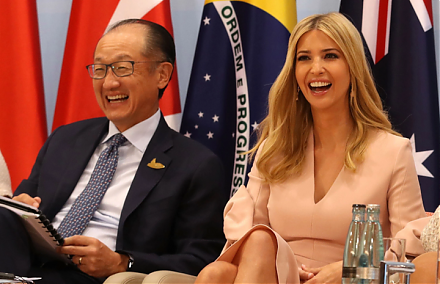
The Sino-American trade war may slash global GDP by $600 billion. If the Trump administration imposes tariffs on all the Chinese imports and China retaliate
2022-05-30 09:32:00 Monday ET

The new semiconductor microchip demand-supply imbalance remains quite severe for the U.S. tech and auto industries. Our current fundamental macro a
2018-11-13 12:30:00 Tuesday ET

President Trump promises a great trade deal with China as Americans mull over mid-term elections. President Trump wants to reach a trade accord with Chinese
2017-08-31 09:36:00 Thursday ET
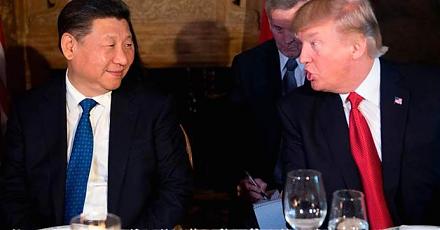
The Trump administration has initiated a new investigation into China's abuse of American intellectual property under Section 301 of the Trade Act of 19
2019-11-19 09:33:00 Tuesday ET

American unemployment declines to the 50-year historical low level of 3.5% with moderate job growth. Despite a sharp slowdown in U.S. services and utilities
2017-11-24 08:41:00 Friday ET
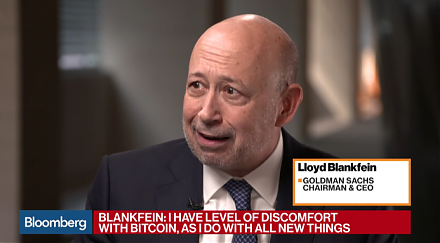
Is Bitcoin a legitimate (crypto)currency or a new bubble waiting to implode? As its prices skyrocket, bankers, pundits, and investors increasingly take side
 Reports
 Metrics
 Events
 AI Stock Synopses