
Cameco Corporation is one of the world's largest uranium producers, a significant supplier of conversion services and one of two CANDU fuel manufacturers in Canada. Their competitive position is based on their controlling ownership of the world's largest high-grade reserves and low-cost operations. Their uranium products are used to generate clean electricity in nuclear power plants around the world. They also explore for uranium in the Americas, Australia and Asia. Their shares trade on the Toronto and New York stock exchanges. Their head office is in Saskatoon, Saskatchewan....
+See MoreSharpe-Lintner-Black CAPM alpha (Premium Members Only) Fama-French (1993) 3-factor alpha (Premium Members Only) Fama-French-Carhart 4-factor alpha (Premium Members Only) Fama-French (2015) 5-factor alpha (Premium Members Only) Fama-French-Carhart 6-factor alpha (Premium Members Only) Dynamic conditional 6-factor alpha (Premium Members Only) Last update: Saturday 17 October 2026
2019-01-08 17:46:00 Tuesday ET
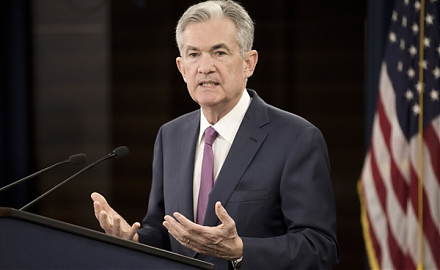
President Trump forces the Federal Reserve to normalize the current interest rate hike to signal its own monetary policy independence from the White House.
2018-11-11 13:42:00 Sunday ET
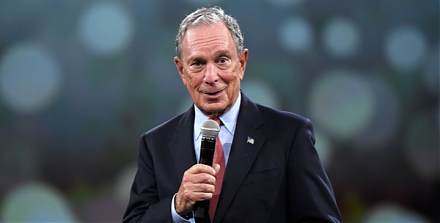
Michael Bloomberg provides $80 million as campaign finance for Democrats to flip the House of Representatives in the November 2018 midterm elections, gears
2026-04-30 08:28:00 Thursday ET

In the current global market for better biotech advances, medical innovations, and healthcare services, the new integration of artificial intelligence (AI)
2018-12-17 08:43:00 Monday ET

Apple files an appeal to overturn the recent iPhone sales ban in China due to its patent infringement of Qualcomm proprietary technology. This recent ban of
2019-10-09 16:46:00 Wednesday ET

IMF chief economist Gita Gopinath indicates that competitive currency devaluation may be an ineffective solution to improving export prospects. In the form
2018-03-02 12:34:00 Friday ET
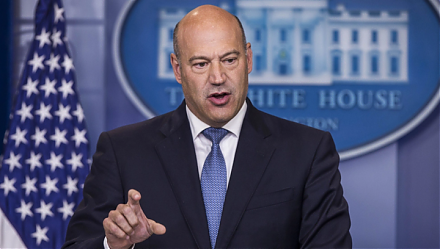
White House top economic advisor Gary Cohn resigns due to his opposition to President Trump's recent protectionist decision on steel and aluminum tariff
 Reports
 Metrics
 Events
 AI Stock Synopses