Cibus Inc. Class A Common Stock (NASDAQ:CBUS)

Real-time price: | Most recent change:0.00%

Cibus Inc. is an agricultural technology company which develops and licenses plant traits to seed companies for royalties. Cibus Inc., formerly known as Calyxt Inc., is based in SAN DIEGO....

+See More


Here we provide our AYA proprietary alpha stock signals for all premium members on our AYA fintech network platform. Specifically, a high Fama-French multi-factor dynamic conditional alpha suggests that the stock is likely to consistently outperform the broader stock market benchmarks such as S&P 500, Dow Jones, Nasdaq, Russell 3000, MSCI USA, and MSCI World etc. Since March 2023, our proprietary alpha stock signals retain U.S. Patent and Trademark Office (USPTO) fintech patent protection, approval, and accreditation for 20 years. Our homepage and blog articles provide more details on this proprietary alpha stock market investment model with robust long-term historical backtest evidence.

Sharpe-Lintner-Black CAPM alpha (Premium Members Only) Fama-French (1993) 3-factor alpha (Premium Members Only) Fama-French-Carhart 4-factor alpha (Premium Members Only) Fama-French (2015) 5-factor alpha (Premium Members Only) Fama-French-Carhart 6-factor alpha (Premium Members Only) Dynamic conditional 6-factor alpha (Premium Members Only) Last update: Saturday 8 August 2026

Blog+More

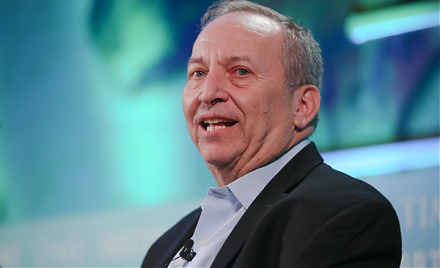
Berkeley macro economist Brad DeLong sees no good reasons for an imminent economic recession with mass unemployment and even depression.

Laura Hermes

2019-11-21 11:34:00 Thursday ET

Berkeley macro economist Brad DeLong sees no good reasons for an imminent economic recession with mass unemployment and even depression.

Berkeley macro economist Brad DeLong sees no good reasons for an imminent economic recession with mass unemployment and even depression. The current U.S. ec

+See More

The financial crisis of 2008-2009 affects many millennials as they bear the primary costs of college tuition, residential demand, health care, and childcare.

Peter Prince

2019-06-23 08:30:00 Sunday ET

The financial crisis of 2008-2009 affects many millennials as they bear the primary costs of college tuition, residential demand, health care, and childcare.

The financial crisis of 2008-2009 affects many millennials as they bear the primary costs of college tuition, residential demand, health care, and childcare

+See More

China President Xi tries to ease trade tension between America and China in his Boao presidential address.

Monica McNeil

2018-04-02 07:33:00 Monday ET

China President Xi tries to ease trade tension between America and China in his Boao presidential address.

China President Xi JinPing tries to ease trade tension between America and China in his presidential address at the annual Boao forum. In his vulnerable att

+See More

America and China play the game of chicken over trade and technology.

John Fourier

2018-05-01 11:38:00 Tuesday ET

America and China play the game of chicken over trade and technology.

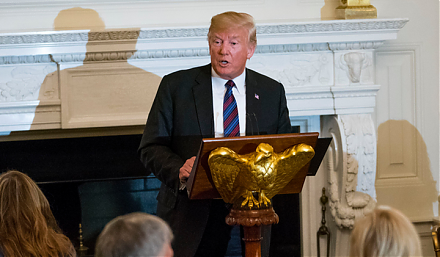
America and China play the game of chicken over trade and technology, whereas, most market observers and economic media commentators hope the Trump team to

+See More

Harvard economic platform researcher Dipayan Ghosh proposes some alternative solutions to breaking up tech titans such as Facebook, Google, Apple, and Amazon.

Olivia London

2019-07-23 09:22:00 Tuesday ET

Harvard economic platform researcher Dipayan Ghosh proposes some alternative solutions to breaking up tech titans such as Facebook, Google, Apple, and Amazon.

Harvard economic platform researcher Dipayan Ghosh proposes some alternative solutions to breaking up tech titans such as Facebook, Google, Apple, and Amazo

+See More

Peter Schuck analyzes U.S. government failures and structural problems in light of both institutions and incentives.

Dan Rochefort

2023-04-28 16:38:00 Friday ET

Peter Schuck analyzes U.S. government failures and structural problems in light of both institutions and incentives.

Peter Schuck analyzes U.S. government failures and structural problems in light of both institutions and incentives. Peter Schuck (2015)   Why

+See More