
Anheuser-Busch InBev is a global brewing company with more than 500 iconic brands. Anheuser-Busch InBev is one of the biggest brewing companies (by volume), also ranking among the top five consumer product firms. Following the acquisition of SABMiller in October 2016, the company holds the top spot in the beer industry, controlling about one-third of the global beer market .The company's diverse portfolio includes global brands like Budweiser, Corona and Stella Artois; multi-country brands like Beck's, Hoegaarden, Leffe and Michelob Ultra; and local names like Aguila, Antarctica, Bud Light, Brahma, Cass, Castle, Castle Lite, Cristal, Harbin, Jupiler, Modelo Especial, Quilmes, Victoria, Sedrin, and Skol....
+See MoreSharpe-Lintner-Black CAPM alpha (Premium Members Only) Fama-French (1993) 3-factor alpha (Premium Members Only) Fama-French-Carhart 4-factor alpha (Premium Members Only) Fama-French (2015) 5-factor alpha (Premium Members Only) Fama-French-Carhart 6-factor alpha (Premium Members Only) Dynamic conditional 6-factor alpha (Premium Members Only) Last update: Saturday 17 October 2026
2019-03-09 12:43:00 Saturday ET

Pinterest files a $12 billion IPO due in mid-2019. This tech unicorn allows users to pin-and-browse images through its social media app and website. Pintere
2025-09-24 09:49:53 Wednesday ET
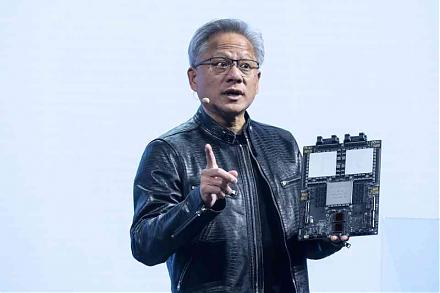
Stock Synopsis: With a new Python program, we use, adapt, apply, and leverage each of the mainstream Gemini Gen AI models to conduct this comprehensive fund
2018-08-23 11:34:00 Thursday ET
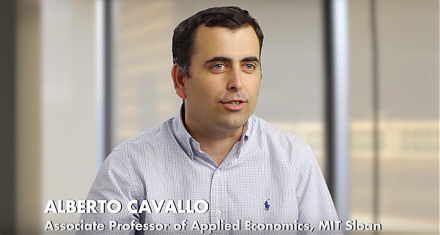
Harvard financial economist Alberto Cavallo empirically shows the recent *Amazon effect* that online retailers such as Amazon, Alibaba, and eBay etc use fas
2019-02-09 08:33:00 Saturday ET
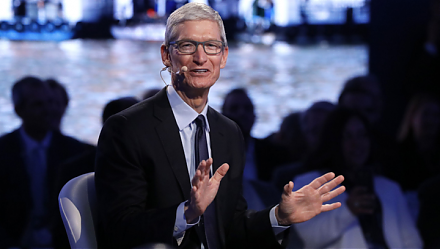
Apple provides positive forward guidance on both revenue and profit forecasts for iPhones, iPads, and MacBooks. In the Christmas 2018 festive season, MacBoo
2025-06-21 05:25:00 Saturday ET
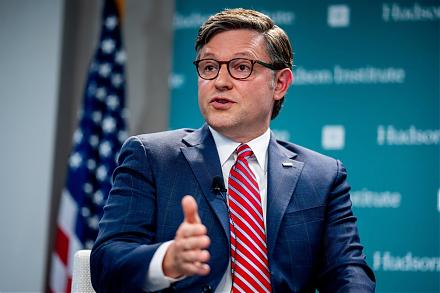
President Trump refreshes American fiscal fears, worries, and concerns through the One Big Beautiful Bill Act. The Congressional Budget Office (CBO) estimat
2019-01-29 10:33:00 Tuesday ET
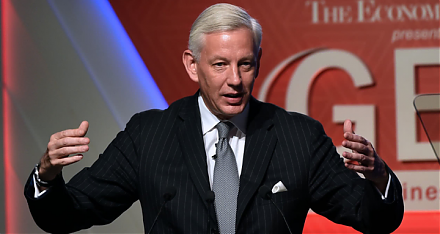
Global trade transforms from labor cost arbitrage to high-skill knowledge work. In fact, multinational manufacturers have been trying to create global suppl
 Reports
 Metrics
 Events
 AI Stock Synopses