
BP has come a long way since the Gulf of Mexico oil spill incident in 2010, which followed the explosion on the British energy giant's Deepwater Horizon rig. To combat its huge litigation expenses that stemmed from the disaster, the company embarked on a massive asset divestment program and relied significantly on debt capital. BP successfully settled all litigation with the relatively insignificant cash outlays remaining. BP has been banking on its strong portfolio of upstream projects. BP is also on track to capitalize on the global economy's transition to lower carbon fuels. The company has been investing in renewable energy business with a plan to ramp up capital spending for non-oil and gas business. In fact, BP has plans of becoming carbon-neutral by 2050. Its reportable segments now are: Oil Production & Operations, Gas & Low Carbon Energy, Customers & Products and Rosneft.It entered a non-binding MOU with'Eni to combine their upstream portfolios into a joint venture in Angola....
+See MoreSharpe-Lintner-Black CAPM alpha (Premium Members Only) Fama-French (1993) 3-factor alpha (Premium Members Only) Fama-French-Carhart 4-factor alpha (Premium Members Only) Fama-French (2015) 5-factor alpha (Premium Members Only) Fama-French-Carhart 6-factor alpha (Premium Members Only) Dynamic conditional 6-factor alpha (Premium Members Only) Last update: Saturday 17 October 2026
2018-01-23 06:38:00 Tuesday ET

Amazon, Berkshire Hathaway, and JPMorgan Chase establish a new company to reduce U.S. employee health care costs in negotiations with drugmakers, doctors, a
2019-11-23 08:33:00 Saturday ET
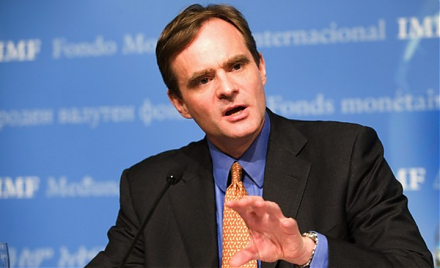
MIT financial economist Simon Johnson rethinks capitalism with better key market incentives. Johnson refers to the recent Business Roundtable CEO statement
2019-02-21 12:37:00 Thursday ET
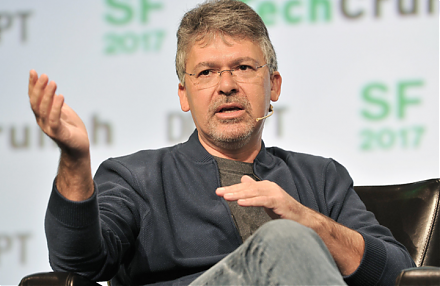
Apple shakes up senior leadership to initiate a new transition from iPhone revenue reliance to media and software services. These changes include the key pr
2018-01-21 07:25:00 Sunday ET
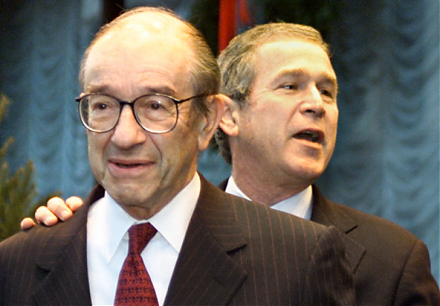
As he refrains from using the memorable phrase *irrational exuberance* to assess bullish investor sentiments, former Fed chairman Alan Greenspan discerns as
2021-07-07 05:22:00 Wednesday ET

What are the best online stock market investment tools? Stock trading has seen an explosion since the start of the pandemic. As people lost their jobs an
2019-10-17 08:35:00 Thursday ET
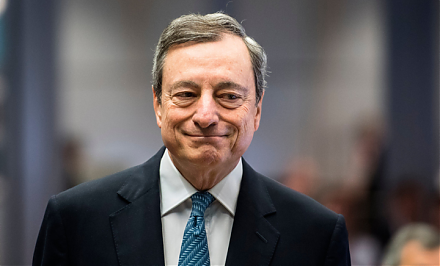
The European Central Bank expects to further reduce negative interest rates with new quantitative government bond purchases. The ECB commits to further cutt
 Reports
 Metrics
 Events
 AI Stock Synopses