Boston Omaha Corporation Class A Common Stock (NYSE:BOC)

Real-time price: | Most recent change:0.00%

Boston Omaha Corporation is engaged in several sectors including advertising, insurance and real estate. Boston Omaha Corporation is based in Boston, United States....

+See More


Here we provide our AYA proprietary alpha stock signals for all premium members on our AYA fintech network platform. Specifically, a high Fama-French multi-factor dynamic conditional alpha suggests that the stock is likely to consistently outperform the broader stock market benchmarks such as S&P 500, Dow Jones, Nasdaq, Russell 3000, MSCI USA, and MSCI World etc. Since March 2023, our proprietary alpha stock signals retain U.S. Patent and Trademark Office (USPTO) fintech patent protection, approval, and accreditation for 20 years. Our homepage and blog articles provide more details on this proprietary alpha stock market investment model with robust long-term historical backtest evidence.

Sharpe-Lintner-Black CAPM alpha (Premium Members Only) Fama-French (1993) 3-factor alpha (Premium Members Only) Fama-French-Carhart 4-factor alpha (Premium Members Only) Fama-French (2015) 5-factor alpha (Premium Members Only) Fama-French-Carhart 6-factor alpha (Premium Members Only) Dynamic conditional 6-factor alpha (Premium Members Only) Last update: Saturday 8 August 2026

Blog+More

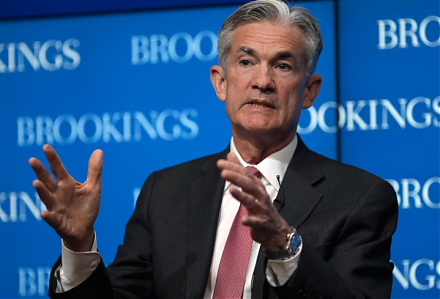
Fed minutes reflect gradual interest rate normalization in response to high inflation risk.

Dan Rochefort

2018-02-15 07:43:00 Thursday ET

Fed minutes reflect gradual interest rate normalization in response to high inflation risk.

Fed minutes reflect gradual interest rate normalization in response to high inflation risk. FOMC members revise up the economic projections made at the Dece

+See More

Calomiris and Haber delve into the comparative analysis of bank crises and politics in America, Britain, Canada, Mexico, and Brazil.

Dan Rochefort

2023-04-14 13:32:00 Friday ET

Calomiris and Haber delve into the comparative analysis of bank crises and politics in America, Britain, Canada, Mexico, and Brazil.

Calomiris and Haber delve into the comparative analysis of bank crises and politics in America, Britain, Canada, Mexico, and Brazil. Charles Calomiris an

+See More

AYA finbuzz podcast offers fresh insights into the latest stock market topics, economic trends, and personal finance inspirations as of December 2019.

Amy Hamilton

2019-12-30 11:28:00 Monday ET

AYA finbuzz podcast offers fresh insights into the latest stock market topics, economic trends, and personal finance inspirations as of December 2019.

AYA Analytica finbuzz podcast channel on YouTube December 2019 In this podcast, we discuss several topical issues as of December 2019: (1) The Trump adm

+See More

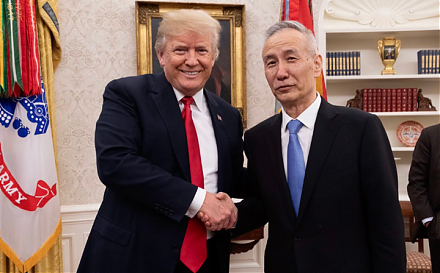
Chinese Belt-and-Road funds large international infrastructure investment projects primarily in East Asia, Central Asia, North Africa, and Italy.

Fiona Sydney

2019-04-15 08:37:00 Monday ET

Chinese Belt-and-Road funds large international infrastructure investment projects primarily in East Asia, Central Asia, North Africa, and Italy.

Chinese Belt-and-Road funds large international infrastructure investment projects primarily in East Asia, Central Asia, North Africa, and Italy. Chinese Be

+See More

Volcker, Greenspan, Bernanke, and Yellen contribute to a Wall Street Journal op-ed on monetary policy independence.

Olivia London

2019-09-23 12:25:00 Monday ET

Volcker, Greenspan, Bernanke, and Yellen contribute to a Wall Street Journal op-ed on monetary policy independence.

Volcker, Greenspan, Bernanke, and Yellen contribute to a Wall Street Journal op-ed on monetary policy independence. These former Federal Reserve chiefs unit

+See More

Michael Woodford provides the theoretical foundations of monetary policy rules in ever more efficient financial markets.

Fiona Sydney

2023-09-07 11:30:00 Thursday ET

Michael Woodford provides the theoretical foundations of monetary policy rules in ever more efficient financial markets.

Michael Woodford provides the theoretical foundations of monetary policy rules in ever more efficient financial markets. Michael Woodford (2003)  

+See More