
Belmond Ltd. (Belmond), incorporated on October 16, 1987, is a hotel company and adventure travel operator. As of December 31, 2016, Belmond owned, partially-owned and/or operated 45 properties, consisting of 34 individual deluxe hotels, 29 of which are owned (including nine under long-term lease), five European tourist trains, two cruise ships in Myanmar (one of which is under long-term charter), one French canal cruise business consisting of five small canal boats, and one stand-alone restaurant in the United States. It operates through six segments: owned hotels in Europe, owned hotels in North America (including one stand-alone restaurant), owned hotels in Rest of world, owned trains and cruises, part-owned/managed hotels and part-owned/managed trains. As of December 31, 2016, Belmond's around the world portfolio of hotels in operation consisted of 3,272 individual guest rooms and multiple-room suites (keys). ...
+See MoreSharpe-Lintner-Black CAPM alpha (Premium Members Only) Fama-French (1993) 3-factor alpha (Premium Members Only) Fama-French-Carhart 4-factor alpha (Premium Members Only) Fama-French (2015) 5-factor alpha (Premium Members Only) Fama-French-Carhart 6-factor alpha (Premium Members Only) Dynamic conditional 6-factor alpha (Premium Members Only) Last update: Saturday 17 October 2026
2025-08-09 11:31:00 Saturday ET

Wharton e-commerce entrepreneurship professor Dr Karl Ulrich explains that many top-notch universities now provide massive open online courses (MOOCs) for m
2017-05-13 07:28:00 Saturday ET

America's Top 5 tech firms, Apple, Alphabet, Microsoft, Amazon, and Facebook have become the most valuable publicly listed companies in the world. These
2027-11-22 08:26:00 Monday ET

Our AYA fun podcasts deep-dive into the current global trends, topics, and issues in macro finance, political economy, public policy, strategic management,
2025-10-02 12:31:00 Thursday ET
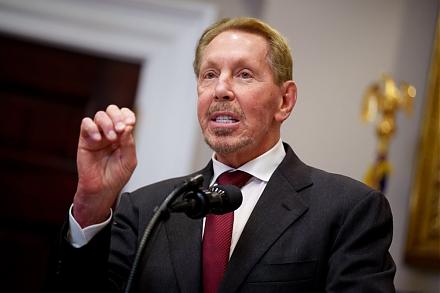
Stock Synopsis: With a new Python program, we use, adapt, apply, and leverage each of the mainstream Gemini Gen AI models to conduct this comprehensive fund
2017-11-17 09:42:00 Friday ET
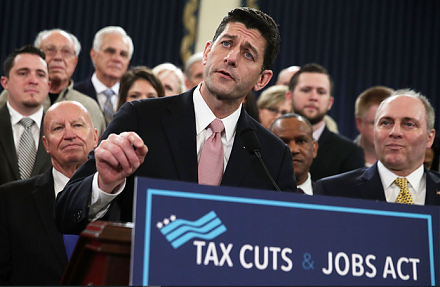
The Trump administration garners congressional support from both Senate and the House of Representatives to pass the $1.5 trillion tax overhaul (Tax Cuts &a
2023-04-21 12:39:00 Friday ET
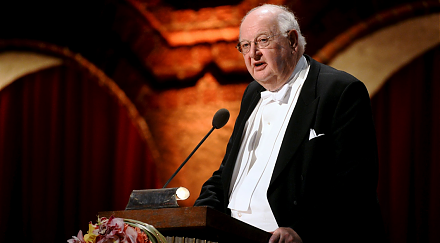
Angus Deaton analyzes the correlation between health and wealth in light of the economic origins of inequality worldwide. Angus Deaton (2015)
 Reports
 Metrics
 Events
 AI Stock Synopses