
bebe stores, inc., incorporated on June 7, 1976, designs, develops and produces a range of contemporary women's apparel and accessories. The Company's product offering includes a range of separates, tops, dresses, active wear and accessories for a range of occasions. It designs and develops its merchandise in-house, which is manufactured to its specifications, and it also sources directly from third-party manufacturers. The Company also offers accessories, which include jewelry, optical, fragrance, shoes and handbags. The Company intends to start selling co-branded and third-party labeled product as well. The Company operates stores in the United States, Puerto Rico and Canada. In addition, it has an online store at www.bebe.com that ships to customers in the United States, Canada, Puerto Rico, the United States Protectorates and internationally via its third-party providers, International Checkout and Shoprunner. ...
+See MoreSharpe-Lintner-Black CAPM alpha (Premium Members Only) Fama-French (1993) 3-factor alpha (Premium Members Only) Fama-French-Carhart 4-factor alpha (Premium Members Only) Fama-French (2015) 5-factor alpha (Premium Members Only) Fama-French-Carhart 6-factor alpha (Premium Members Only) Dynamic conditional 6-factor alpha (Premium Members Only) Last update: Saturday 17 October 2026
2019-04-13 14:28:00 Saturday ET

Saudi Aramco unveils the financial secrets of the most profitable corporation in the world. In its recent public bond issuance prospectus, Aramco offers the
2023-06-07 10:27:00 Wednesday ET

Anat Admati and Martin Hellwig raise broad critical issues about bank capital regulation and asset market stabilization. Anat Admati and Martin Hellwig (
2017-05-19 09:39:00 Friday ET
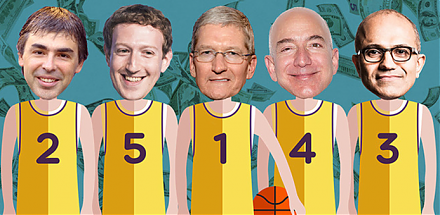
FAMGA stands for Facebook, Apple, Microsoft, Google, and Amazon. These tech giants account for more than 15% of market capitalization of the American stock
2022-11-15 10:30:00 Tuesday ET

Stock market misvaluation and corporate investment payout The behavioral catering theory suggests that stock market misvaluation can have a first-order
2018-10-15 09:33:00 Monday ET
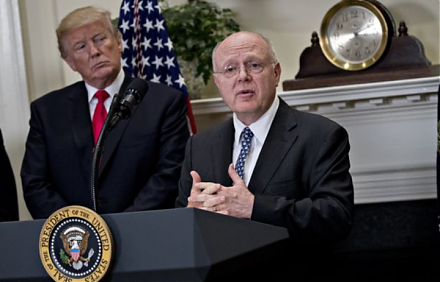
Several pharmaceutical companies now switch their primary focus from generic prescription drugs to medical specialties such as cardiovascular medications an
2022-02-15 14:41:00 Tuesday ET

Modern themes and insights in behavioral finance Lee, C.M., Shleifer, A., and Thaler, R.H. (1990). Anomalies: closed-end mutual funds. Journal
 Reports
 Metrics
 Events
 AI Stock Synopses