Aura Biosciences Inc. Common Stock (NASDAQ:AURA)

Real-time price: | Most recent change:0.00%

Aura Biosciences Inc. is a clinical-stage oncology company developing a novel technology platform based on virus-like drug conjugates to target and destroy cancer cells selectively while activating the immune system. The company's lead product candidate includes AU-011. Aura Biosciences Inc. is based in CAMBRIDGE, Mass....

+See More


Here we provide our AYA proprietary alpha stock signals for all premium members on our AYA fintech network platform. Specifically, a high Fama-French multi-factor dynamic conditional alpha suggests that the stock is likely to consistently outperform the broader stock market benchmarks such as S&P 500, Dow Jones, Nasdaq, Russell 3000, MSCI USA, and MSCI World etc. Since March 2023, our proprietary alpha stock signals retain U.S. Patent and Trademark Office (USPTO) fintech patent protection, approval, and accreditation for 20 years. Our homepage and blog articles provide more details on this proprietary alpha stock market investment model with robust long-term historical backtest evidence.

Sharpe-Lintner-Black CAPM alpha (Premium Members Only) Fama-French (1993) 3-factor alpha (Premium Members Only) Fama-French-Carhart 4-factor alpha (Premium Members Only) Fama-French (2015) 5-factor alpha (Premium Members Only) Fama-French-Carhart 6-factor alpha (Premium Members Only) Dynamic conditional 6-factor alpha (Premium Members Only) Last update: Saturday 13 June 2026

Blog+More

Geopolitical alignment often reshapes and reinforces asset market fragmentation in the broader context of financial deglobalization.

Olivia London

2025-07-01 13:35:00 Tuesday ET

Geopolitical alignment often reshapes and reinforces asset market fragmentation in the broader context of financial deglobalization.

In recent times, financial deglobalization and asset market fragmentation can cause profound public policy implications for trade, finance, and technology w

+See More

Paulson, Geithner, and Bernanke warn that people seem to have forgotten the lessons of the global financial crisis from 2008 to 2009.

Daphne Basel

2018-07-17 08:35:00 Tuesday ET

Paulson, Geithner, and Bernanke warn that people seem to have forgotten the lessons of the global financial crisis from 2008 to 2009.

Henry Paulson and Timothy Geithner (former Treasury heads) and Ben Bernanke (former Fed chairman) warn that people seem to have forgotten the lessons of the

+See More

With majority control, House Democrats pass 2 bills to reopen the U.S. government without funding the Trump border wall.

John Fourier

2019-01-12 10:33:00 Saturday ET

With majority control, House Democrats pass 2 bills to reopen the U.S. government without funding the Trump border wall.

With majority control, House Democrats pass 2 bills to reopen the U.S. government without funding the Trump border wall. President Trump makes a surprise Wh

+See More

President Trump's current trade policies appear like the Reagan administration's protectionist trade policies back in the 1980s.

Apple Boston

2018-07-03 11:42:00 Tuesday ET

President Trump's current trade policies appear like the Reagan administration's protectionist trade policies back in the 1980s.

President Trump's current trade policies appear like the Reagan administration's protectionist trade policies back in the 1980s. In comparison to th

+See More

JPMorgan Chase CEO says President Trump has now awaken the animal spirits in U.S. stocks.

Dan Rochefort

2017-02-13 09:35:00 Monday ET

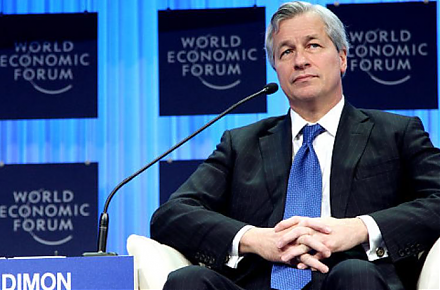
JPMorgan Chase CEO says President Trump has now awaken the animal spirits in U.S. stocks.

JPMorgan Chase CEO Jamie Dimon says President Trump has now awaken the *animal spirits* in the U.S. stock market. The key phrase, animal spirits, is the

+See More

Harvard macrofinance professor Robert Barro sees no good reasons for the recent sudden reversal of U.S. monetary policy normalization.

Laura Hermes

2019-09-09 20:38:00 Monday ET

Harvard macrofinance professor Robert Barro sees no good reasons for the recent sudden reversal of U.S. monetary policy normalization.

Harvard macrofinance professor Robert Barro sees no good reasons for the recent sudden reversal of U.S. monetary policy normalization. As Federal Reserve Ch

+See More