
Air Products and Chemicals Inc. makes industrial gases as well as a variety of polymer and performance chemicals. It also supplies processing equipment. Air Products' reporting segments are as follows: Industrial Gases - Americas, Industrial Gases Europe, Middle East, and Africa/EMEA and Industrial Gases Asia segments include the results of the company's regional industrial gases businesses. These businesses sell atmospheric gases such as oxygen, nitrogen and argon and processes gases to a number of industries. Process gases such as carbon dioxide, helium, hydrogen, etc. are produced by other methods that exclude air separation. The largest cost component of the atmospheric gases is electricity. The Industrial Gases Global division designs and manufactures cryogenic and gas-processing equipment for air separation. The Corporate and other segment includes Air Products' liquefied natural gas sale of equipment business and helium storage and distribution vessel sale of equipment business....
+See MoreSharpe-Lintner-Black CAPM alpha (Premium Members Only) Fama-French (1993) 3-factor alpha (Premium Members Only) Fama-French-Carhart 4-factor alpha (Premium Members Only) Fama-French (2015) 5-factor alpha (Premium Members Only) Fama-French-Carhart 6-factor alpha (Premium Members Only) Dynamic conditional 6-factor alpha (Premium Members Only) Last update: Saturday 17 October 2026
2019-05-30 16:44:00 Thursday ET

AYA Analytica finbuzz podcast channel on YouTube May 2019 In this podcast, we discuss several topical issues as of May 2019: (1) Our proprietary alp
2017-04-19 17:37:00 Wednesday ET

Apple is now the world's biggest dividend payer with its $13 billion dividend payout and surpasses ExxonMobil's dividend payout record. Despite the
2019-12-30 11:28:00 Monday ET
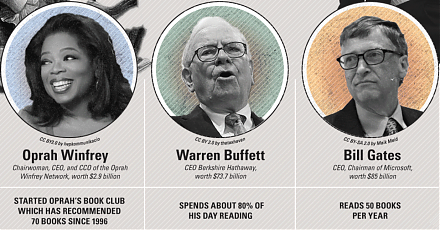
AYA Analytica finbuzz podcast channel on YouTube December 2019 In this podcast, we discuss several topical issues as of December 2019: (1) The Trump adm
2019-02-03 13:39:00 Sunday ET
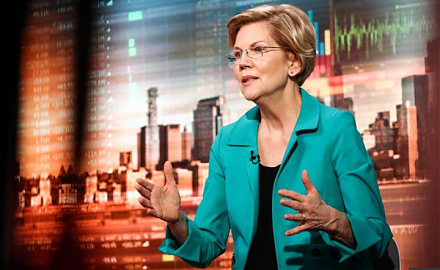
It can be practical for the U.S. to impose the 2% wealth tax on the rich. Democratic Senator Elizabeth Warren proposes a 2% wealth tax on the richest Americ
2019-01-08 17:46:00 Tuesday ET
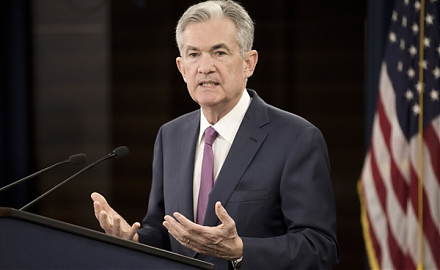
President Trump forces the Federal Reserve to normalize the current interest rate hike to signal its own monetary policy independence from the White House.
2018-05-10 07:37:00 Thursday ET

Top money managers George Soros and Warren Buffett reveal their current stock and bond positions in their recent corporate disclosures as of mid-2018. Georg
 Reports
 Metrics
 Events
 AI Stock Synopses