
AutoNation, Inc. is the largest automotive retailer in the United States. The company offers vehicle maintenance and repair services, vehicle parts, extended service contracts, vehicle protection products, and other aftermarket products. It arranges financing for vehicle purchases through third-party sources. Its core brands are: Toyota, Ford, Honda, General Motors, FCA US, Mercedes-Benz, Nissan, BMW and Volkswagen. AutoNation's business is divided into 3 operating segments: Domestic, Import and Premium Luxury. The Domestic segment includes stores that sell vehicles manufactured by General Motors, Ford and Fiat Chrysler; whereas the Import segment comprises stores that sell vehicles manufactured by Toyota, Honda, Nissan, Hyundai and others. The Premium Luxury segment includes stores that sell vehicles manufactured by Daimler, BMW, Toyota, Audi and others. Its diversified set of automotive retail franchises supports the automotive retailer's business, which is sensitive to macroeconomic conditions....
+See MoreSharpe-Lintner-Black CAPM alpha (Premium Members Only) Fama-French (1993) 3-factor alpha (Premium Members Only) Fama-French-Carhart 4-factor alpha (Premium Members Only) Fama-French (2015) 5-factor alpha (Premium Members Only) Fama-French-Carhart 6-factor alpha (Premium Members Only) Dynamic conditional 6-factor alpha (Premium Members Only) Last update: Saturday 17 October 2026
2023-07-28 11:28:00 Friday ET

Lucian Bebchuk and Jesse Fried critique that executive pay often cannot help explain the stock return and operational performance of most U.S. public corpor
2018-11-05 10:40:00 Monday ET
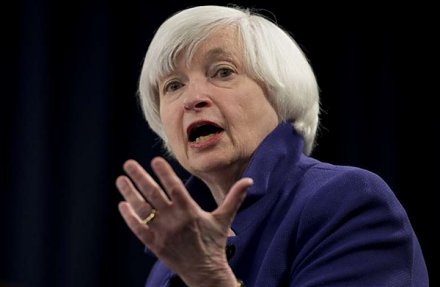
Former Fed Chair Janet Yellen worries about U.S. government debt accumulation, expects new interest rate increases, and warns of the next economic recession
2018-09-15 11:35:00 Saturday ET

Apple releases its September 2018 trifecta of smart phones or iPhone X sequels: iPhone Xs, iPhone Xs Max, and iPhone XR. Both iPhone Xs and iPhone Xs Max ha
2019-01-05 11:39:00 Saturday ET
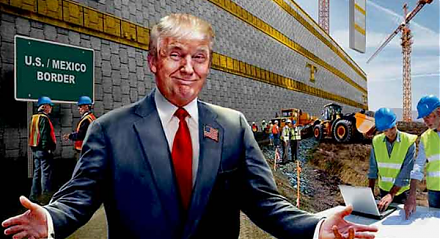
Reuters polls show that most Americans blame President Trump for the recent U.S. government shutdown. President Trump remains adamant about having to shut d
2018-07-13 09:41:00 Friday ET
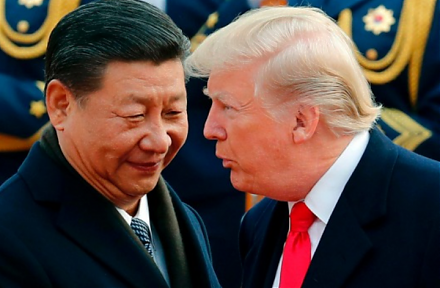
Yale economist Stephen Roach warns that America has much to lose from the current trade war with China for a few reasons. First, America is highly dependent
2019-05-30 16:44:00 Thursday ET

AYA Analytica finbuzz podcast channel on YouTube May 2019 In this podcast, we discuss several topical issues as of May 2019: (1) Our proprietary alp
 Reports
 Metrics
 Events
 AI Stock Synopses