
AVANGRID is the third largest solar and wind generator in the United States. The company operates via two primary businesses, namely Avangrid Networks and Avangrid Renewables. The Avangrid Networks owns and operates regulated utility businesses through its subsidiaries, including' electric'transmission and'distribution,'and'natural'gas' distribution,'transportation'and'sales. Avangrid Renewables owns and operates a portfolio of renewable energy generation facilities, primarily' using' onshore' wind' power' besides' solar,' biomass' and' thermal' power across the United States....
+See MoreSharpe-Lintner-Black CAPM alpha (Premium Members Only) Fama-French (1993) 3-factor alpha (Premium Members Only) Fama-French-Carhart 4-factor alpha (Premium Members Only) Fama-French (2015) 5-factor alpha (Premium Members Only) Fama-French-Carhart 6-factor alpha (Premium Members Only) Dynamic conditional 6-factor alpha (Premium Members Only) Last update: Saturday 17 October 2026
2018-05-17 07:41:00 Thursday ET

Has America become a democratic free land of crumbling infrastructure, galloping income inequality, bitter political polarization, and dysfunctional governa
2019-01-01 03:34:48 Tuesday ET
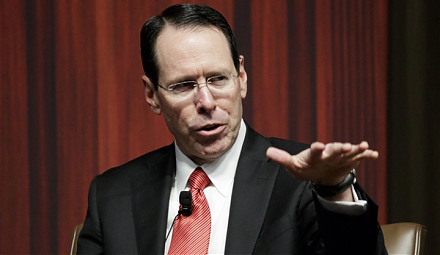
American allies assist AT&T and Verizon in implementing 5G telecommunication technology in the U.S. as such allies ban the use of HuaWei 5G telecom equi
2018-03-21 06:32:00 Wednesday ET

Fed Chair Jerome Powell increases the neutral interest rate to a range of 1.5% to 1.75% in his debut post-FOMC press conference. The Federal Reserve raises
2019-06-05 10:34:00 Wednesday ET
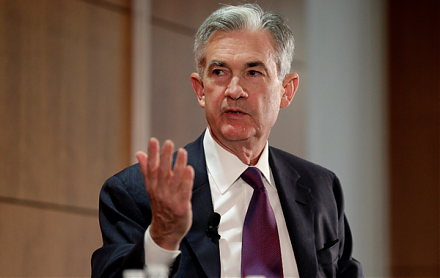
Fed Chair Jay Powell suggests that the recent surge in U.S. business debt poses moderate risks to the economy. Many corporate treasuries now carry about 40%
2018-12-21 11:39:00 Friday ET

The Internet and telecom conglomerate SoftBank Group raises $23 billion in the biggest IPO in Japan. Going public is part of the major corporate move away f
2019-01-02 06:28:00 Wednesday ET

New York Fed CEO John Williams listens to sharp share price declines as part of the data-dependent interest rate policy. The Federal Reserve can respond to
 Reports
 Metrics
 Events
 AI Stock Synopses