
CHILE FUND, INC. is a non-diversified, closed-end management investment company registered under the Investment Company Act of 1940. The fund's long term objetive is to buy securities of well-managed, profitable and cash generating Chilean companies. Investment Adviser: BEA Associates, Inc. Advisory Agreement: Under the terms of the agreement, the Adviser receives from the Fund an annual fee, calculated monthly and paid quarterly, equal to 1.20% of the first $50 million of the Fund's average weekly net assets, 1.15% of the next $50 million of the Fund's average monthly net assets....
+See MoreSharpe-Lintner-Black CAPM alpha (Premium Members Only) Fama-French (1993) 3-factor alpha (Premium Members Only) Fama-French-Carhart 4-factor alpha (Premium Members Only) Fama-French (2015) 5-factor alpha (Premium Members Only) Fama-French-Carhart 6-factor alpha (Premium Members Only) Dynamic conditional 6-factor alpha (Premium Members Only) Last update: Saturday 17 October 2026
2017-12-03 08:37:00 Sunday ET

Sean Parker, Napster founder and a former investor in Facebook, has become a "conscientious objector" on Facebook. Parker says Facebook explo
2018-02-01 07:38:00 Thursday ET

U.S. senators urge the Trump administration with a bipartisan proposal to prevent the International Monetary Fund (IMF) from bailing out several countries t
2027-04-30 12:31:00 Friday ET

In recent years, the current AI-driven stock market rally may or may not turn out to be another major asset bubble in global human history. For the pract
2018-05-15 08:40:00 Tuesday ET
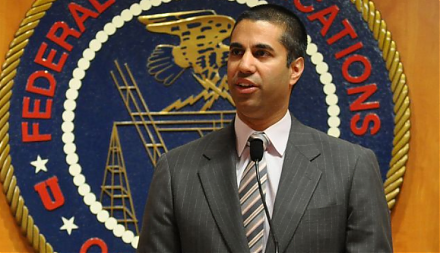
Net neutrality rules continue to revolve around the Trump administration's current IT agenda of 5G telecom transformation. Republican Senate passes the
2024-03-19 03:35:58 Tuesday ET

U.S. presidential election: a re-match between Biden and Trump in November 2024 We delve into the 5 major economic themes of the U.S. presidential electi
2018-04-17 12:38:00 Tuesday ET

Value investment strategies make investors wiser like water with core fundamental factor analysis. Value investors tend to buy stocks below their intrinsic
 Reports
 Metrics
 Events
 AI Stock Synopses