
Acxiom Corporation (Acxiom), incorporated on October 28, 1983, is a technology and enablement services company. The Company operates through three business segments: Marketing Services, Audience Solutions, and Connectivity. The Company serves a global client base from locations in the United States, Europe and the Asia-Pacific region. The Company's client base includes organizations in these regions across industry verticals, including financial, insurance and investment services, automotive, retail, telecommunications, healthcare, travel, entertainment, non-profit and government. ...
+See MoreSharpe-Lintner-Black CAPM alpha (Premium Members Only) Fama-French (1993) 3-factor alpha (Premium Members Only) Fama-French-Carhart 4-factor alpha (Premium Members Only) Fama-French (2015) 5-factor alpha (Premium Members Only) Fama-French-Carhart 6-factor alpha (Premium Members Only) Dynamic conditional 6-factor alpha (Premium Members Only) Last update: Saturday 17 October 2026
2023-09-14 09:28:00 Thursday ET
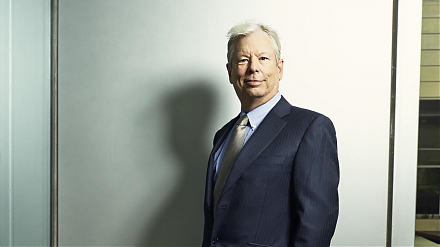
Colin Camerer, George Loewenstein, and Matthew Rabin assess the recent advances in the behavioral economic science. Colin Camerer, George Loewenstei
2020-01-08 08:25:00 Wednesday ET

Conservative Party wins the British parliamentary majority in the general election with hefty British pound appreciation. In response to this general electi
2018-05-01 11:38:00 Tuesday ET

America and China play the game of chicken over trade and technology, whereas, most market observers and economic media commentators hope the Trump team to
2019-09-01 10:31:00 Sunday ET

Most artificial intelligence applications cannot figure out the intricate nuances of natural language and facial recognition. These intricate nuances repres
2018-08-07 07:33:00 Tuesday ET

President Trump sounds smart when he comes up with a fresh plan to retire $15 trillion national debt. This plan entails taxing American consumers and produc
2020-08-05 08:33:00 Wednesday ET
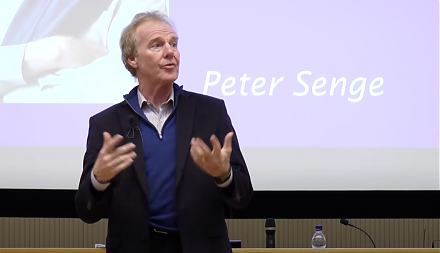
Business leaders often think from a systemic perspective, share bold visions, build great teams, and learn new business models. Peter Senge (2006) &nb
 Reports
 Metrics
 Events
 AI Stock Synopses