
Arbutus Biopharma Corporation is a biopharmaceutical company which is focused on discovering, developing and commercializing a portfolio of drug candidates for chronic hepatitis B infection. The Company's products include TKM-HBV, Cyclophilin Inhibitor-OCB-030, TLR9 Agonist (CYT-003), Capsid Assembly Inhibitors, Surface Antigen Secretion Inhibitors, STING Agonists, cccDNA Formation Inhibitors, cccDNA Epigenetic Modifiers, TKM-PLK1, GI-NET and ACC, HCC, TKM-Ebola, TKM-Ebola-Guinea, TKM-Marburg, TKM-HTG and TKM-ALDH which are in different clinical trial stage. Arbutus Biopharma Corp, formerly known as Tekmira Pharmaceuticals Corporation, is headquartered in Vancouver, BC....
+See MoreSharpe-Lintner-Black CAPM alpha (Premium Members Only) Fama-French (1993) 3-factor alpha (Premium Members Only) Fama-French-Carhart 4-factor alpha (Premium Members Only) Fama-French (2015) 5-factor alpha (Premium Members Only) Fama-French-Carhart 6-factor alpha (Premium Members Only) Dynamic conditional 6-factor alpha (Premium Members Only) Last update: Saturday 17 October 2026
2018-08-07 07:33:00 Tuesday ET

President Trump sounds smart when he comes up with a fresh plan to retire $15 trillion national debt. This plan entails taxing American consumers and produc
2020-02-26 09:30:00 Wednesday ET
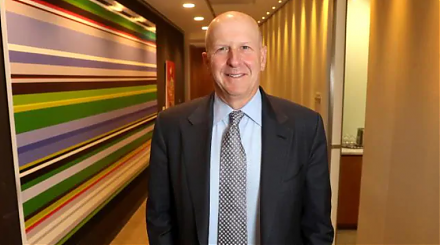
Goldman Sachs follows the timeless business principles and best practices in financial market design and investment management. William Cohan (2011) M
2017-02-19 07:41:00 Sunday ET
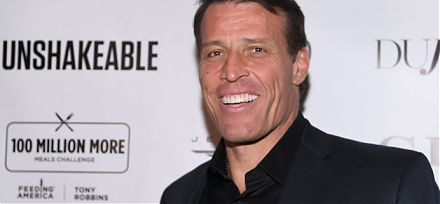
In his recent book on personal finance, Tony Robbins recommends that each investor should rebalance his or her investment portfolio *only once a year* to in
2018-05-13 08:33:00 Sunday ET
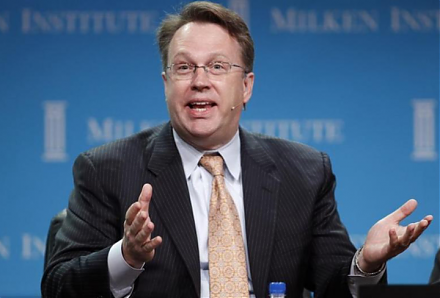
Incoming New York Fed President John Williams suggests that it is about time to end forward guidance in order to stop holding the financial market's han
2018-02-23 09:35:00 Friday ET
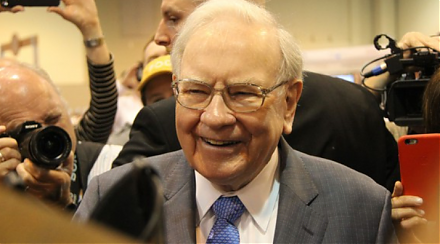
Warren Buffett releases his annual letter to Berkshire Hathaway shareholders as of February 2018. Buffett discusses Berkshire's core cash ambition, its
2020-04-10 11:33:00 Friday ET
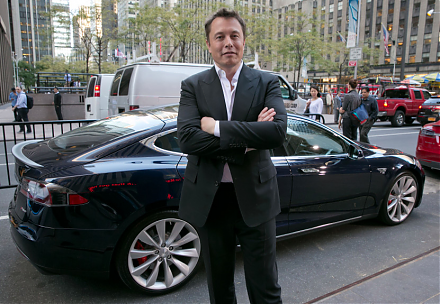
Elon Musk envisions a bold fantastic future with his professional trifecta of lean startup enterprises SolarCity, SpaceX, and Tesla. Ashlee Vance (2015)
 Reports
 Metrics
 Events
 AI Stock Synopses