
Vishay Precision Group, Inc. is a designer, manufacturer and marketer of resistive foil technology products such as resistive sensors, weighing modules, and control systems for a wide variety of applications. The Company provides vertically integrated products and solutions for multiple growing markets in the areas of stress measurement, industrial weighing, and manufacturing process control. Its product portfolio includes: Bulk Metal' foil resistors and sensors; Strain gages and instruments; Load cells; Modules; PhotoStress' products etc. The Company also provides systems to control process weighing in food, chemical, and pharmaceutical plants; force measurement systems used to control web tension in paper mills, roller force in steel mills, and cable tension in winch controls; on-board weighing systems installed in logging and waste-handling trucks; and special scale systems used for aircraft weighing and portable truck weighing. Vishay Precision Group, Inc. is based in Malvern, Pennsylvania....
+See More2018-07-30 11:36:00 Monday ET
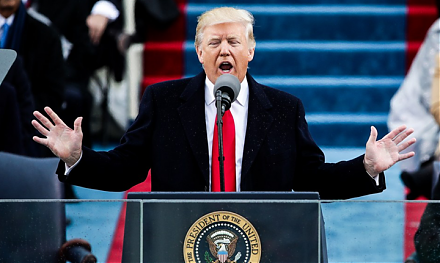
Trumpism may now become the new populist world order of economic governance. Populist support contributes to Trump's 2016 presidential election victory
2018-07-19 18:38:00 Thursday ET
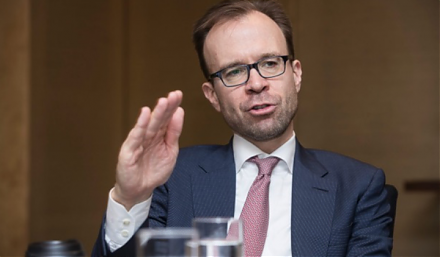
Goldman Sachs chief economist Jan Hatzius proposes designing a new Financial Conditions Index (FCI) to be a weighted-average of interest rates, exchange rat
2019-06-07 04:02:05 Friday ET
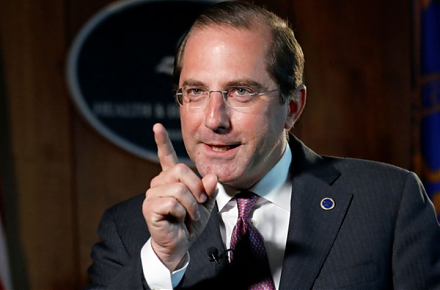
The world seeks to reduce medicine prices and other health care costs to better regulate big pharma. Nowadays the Trump administration requires pharmaceutic
2018-08-03 07:33:00 Friday ET
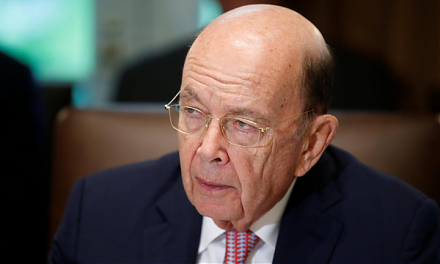
President Trump escalates the current Sino-American trade war by imposing 25% tariffs on $200 billion Chinese imports. These tariffs encompass chemical prod
2019-07-11 10:48:00 Thursday ET
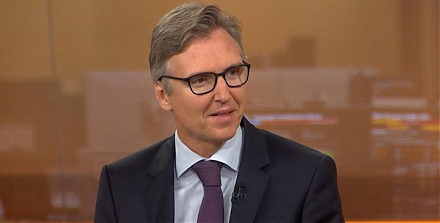
France and Germany are the biggest beneficiaries of Sino-U.S. trade escalation, whereas, Japan, South Korea, and Taiwan suffer from the current trade stando
2019-04-25 09:35:00 Thursday ET
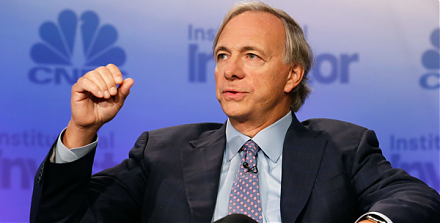
Bridgewater hedge fund founder Ray Dalio suggests that the current state of U.S. capitalism poses an existential threat for many Americans. Dalio deems the