
Synthorx, Inc., a biopharmaceutical company, focuses on the development of cytokine Synthorin programs for the treatment of cancer and autoimmune disorders in the United States. The company's lead product candidate is THOR-707, a variant of recombinant human IL-2 that is in the development in various solid tumor types as a single agent and in combination with an immune checkpoint inhibitor. It also develops IL-2 Synthorin for autoimmune indications; IL-10 Synthorin, a naturally occurring immune cell growth factor in humans for the treatment of immuno-oncology (IO); and IL-15 Synthorins, an immunoregulatory cytokine to treat IO. In addition, the company develops other Synthorin programs targeting undisclosed cytokines that play critical roles in the orchestration of anti-tumor responses by innate and adaptive immune cells. The company was formerly known as Alinos, Inc. and changed its name to Synthorx, Inc. in March 2014. Synthorx, Inc. was founded in 2014 and is headquartered in La Jolla, California....
+See More2018-10-21 14:40:00 Sunday ET

President Trump floats generous 10% tax cuts for the U.S. middle class ahead of the November 2018 mid-term elections. Republican senators, congressmen, and
2024-10-27 07:56:01 Sunday ET
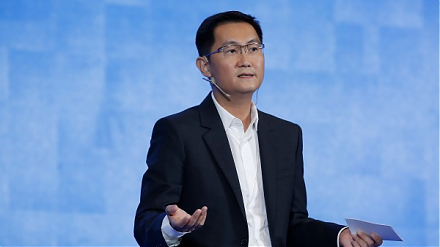
Stock Synopsis: China Internet tech titans continue to grow amid greater competition. We launch our unique coverage of top 25 China Internet stocks. In t
2018-07-07 10:33:00 Saturday ET
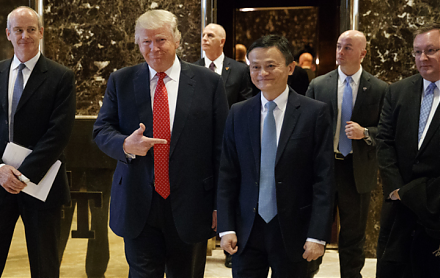
The east-west tech rivalry intensifies between BATs (Baidu, Alibaba, and Tencent) and FAANGs (Facebook, Apple, Amazon, Netflix, and Google). These Sino-U.S.
2018-12-07 11:35:00 Friday ET
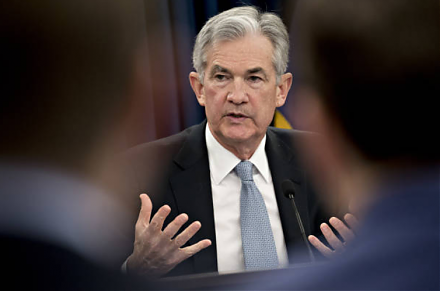
Fed Chair Jerome Powell hints slower interest rate increases because the current rate is just below the neutral threshold. NYSE and NASDAQ share prices rebo
2020-07-19 09:25:00 Sunday ET

Senior business leaders can learn much from the lean production system with iterative continuous improvements at Toyota. Takehiko Harada (2015)
2018-03-21 06:32:00 Wednesday ET
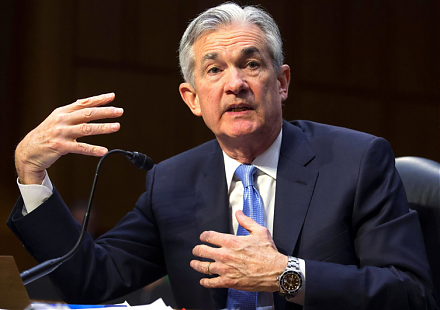
Fed Chair Jerome Powell increases the neutral interest rate to a range of 1.5% to 1.75% in his debut post-FOMC press conference. The Federal Reserve raises