
Lockheed Martin Corp., the largest defense contractor in the world, serves in defense, space, intelligence, homeland security and information technology including cyber security to the U.S. Government, international customers and U.S. commercial & other customers. It has 4 businesses: Aeronautics, Missiles & Fire Control (MFC), Rotary & Missions Systems (RMS) and Space Systems. Its Aeronautics is engaged in the design, research and development, systems integration, production and support of advanced military aircraft and related technologies, including programs like F-35 Lightning II Joint Strike Fighter; C-130 Hercules; F-16 Fighting Falcon; F-22 Raptor; and C-5M Super Galaxy. Its MFC includes the Terminal High Altitude Area Defense System, Joint Light Tactical Vehicle, PAC-3 Missiles, logistics, etc.'Its RMS includes the Aegis Combat System, Littoral Combat Ship, MH-60 helicopter avionics, and military & commercial orders. Its Space Systems is engaged in commercial and military space systems....
+See More2018-08-11 14:35:00 Saturday ET

The Trump administration imposes 20%-50% tariffs on Turkish imports due to a recent spat over the detention of an American pastor, Andrew Brunson, in Turkey
2017-04-01 06:40:00 Saturday ET
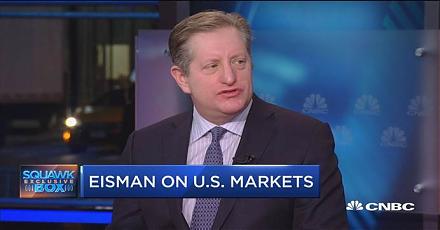
With the current interest rate hike, large banks and insurance companies are likely to benefit from higher equity risk premiums and interest rate spreads.
2019-05-07 09:30:00 Tuesday ET
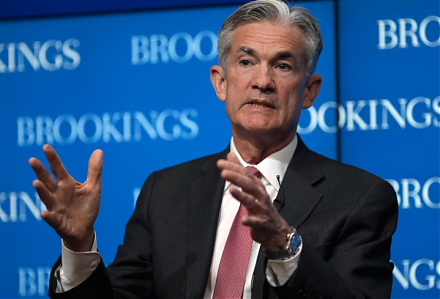
The Trump team receives a 3.2% first-quarter GDP boost as Fed Chair Jay Powell halts the next interest rate hike in early-May 2019. This smooth upward econo
2017-01-17 12:42:00 Tuesday ET
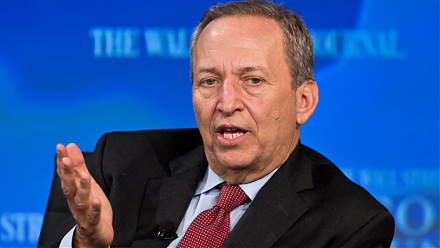
Former Treasury Secretary and Harvard President Larry Summers critiques that the Trump administration's generous tax holiday for American multinational
2019-11-09 16:38:00 Saturday ET
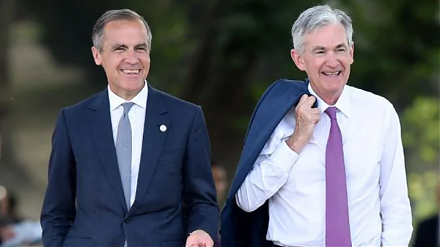
Federal Reserve Chairman Jerome Powell indicates that the central bank would resume Treasury purchases to avoid turmoil in money markets. Powell indicates t
2019-06-21 13:33:00 Friday ET
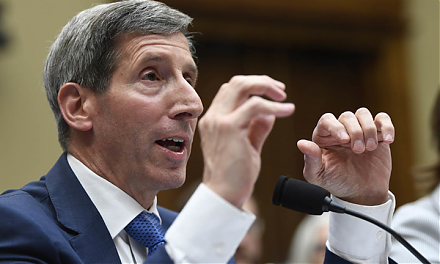
Amazon and Google face more intense antitrust scrutiny. In recent times, Justice Department and Federal Trade Commission have reached an internal agreement