
Bristol-Myers Squibb is a one of the leading global specialty biopharmaceutical companies focused on the development of treatments targeting serious diseases like cancer, inflammatory, immunologic, cardiovascular or fibrotic diseases. Backed by its blockbuster immuno-oncology drug, Opdivo, Bristol-Myers has a strong oncology portfolio, comprising other drugs like Revlimid, Pomalyst, Sprycel, Yervoy and Empliciti. It also has important immunology and cardiovascular drugs like Orencia and Eliquis. It's experiencing growth in both the Eliquis brand and the market, while also advancing its Factor XIa inhibitor program. After the sale of the global Diabetes business to AstraZeneca and the discontinuation of discovery research efforts in virology, it's focusing solely on research in core therapeutic areas like oncology, immuno-oncology, immunoscience, cardiovascular, fibrosis and genetically defined diseases. It acquried Celgene Corporation and MyoKardia. It received regulatory approvals for Reblozyl and Inrebic....
+See More2019-10-03 17:39:00 Thursday ET
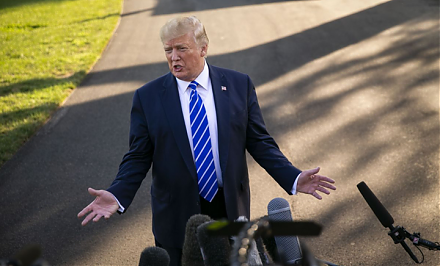
President Trump indicates that he would consider an interim Sino-American trade deal in lieu of a full trade agreement. The Trump administration defers high
2017-04-01 06:40:00 Saturday ET
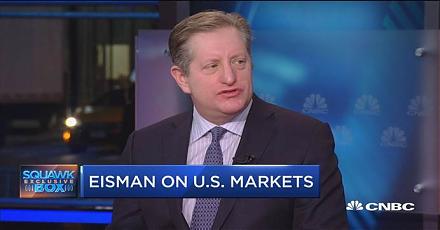
With the current interest rate hike, large banks and insurance companies are likely to benefit from higher equity risk premiums and interest rate spreads.
2018-07-07 10:33:00 Saturday ET
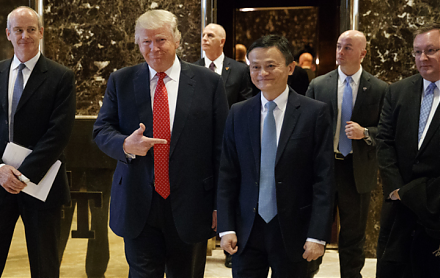
The east-west tech rivalry intensifies between BATs (Baidu, Alibaba, and Tencent) and FAANGs (Facebook, Apple, Amazon, Netflix, and Google). These Sino-U.S.
2019-04-07 13:39:00 Sunday ET

CNBC news anchor Becky Quick interviews Warren Buffett in early-2019. Buffett explains the fact that book value fluctuations are a metric that has lost rele
2017-05-07 06:39:00 Sunday ET

While the original five-factor asset pricing model arises from a quasi-lifetime of top empirical research by Nobel Laureate Eugene Fama and his long-time co
2019-06-15 10:28:00 Saturday ET
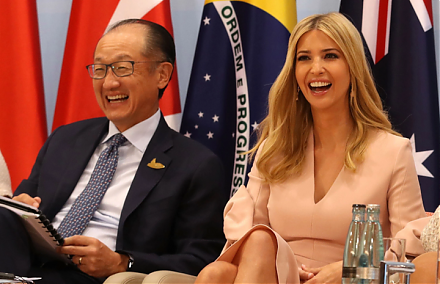
The Sino-American trade war may slash global GDP by $600 billion. If the Trump administration imposes tariffs on all the Chinese imports and China retaliate