
Blueknight Energy Partners, L.P., based in Tulsa, Oklahoma, owns and operates a diversified portfolio of complementary midstream energy assets. It provides midstream services to its customers by focusing in three operational areas: crude oil terminalling and storage, crude oil gathering and transportation services and asphalt terminalling, storage and processing services. The Company's strategically located storage facilities, terminals and pipelines provide customers the flexibility to access multiple receipt and delivery points. Its vision is to use its strategically located assets to be a leading provider of midstream services in the energy industry. It intends to accomplish its objective by: pursuing both strategic and accretive acquisitions within the midstream energy industry, pursuing organic expansion opportunities by constructing additional assets in strategic locations, and expanding storage capacity, particularly at its Cushing terminal, and increasing the profitability of its existing assets....
+See More2018-11-11 13:42:00 Sunday ET
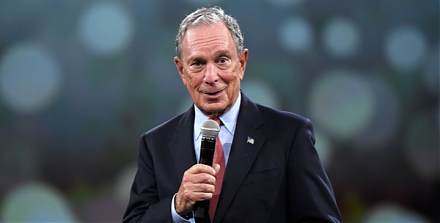
Michael Bloomberg provides $80 million as campaign finance for Democrats to flip the House of Representatives in the November 2018 midterm elections, gears
2017-09-13 10:35:00 Wednesday ET

CNBC reports the Top 5 features of Apple's iPhone X. This new product release can be the rising tide that lifts all boats in Apple's upstream value
2017-05-13 07:28:00 Saturday ET

America's Top 5 tech firms, Apple, Alphabet, Microsoft, Amazon, and Facebook have become the most valuable publicly listed companies in the world. These
2018-05-09 08:31:00 Wednesday ET
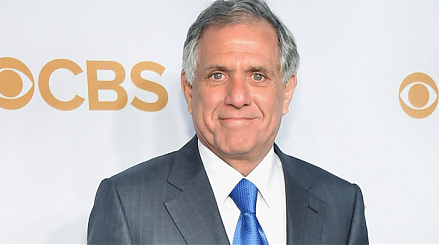
CBS and its special committee of independent directors have decided to sue the Redstone controlling shareholders because these directors might have breached
2019-04-27 16:41:00 Saturday ET

Tony Robbins suggests that one has to be able to make money during sleep hours in order to reach financial freedom. Most of our jobs and life experiences tr
2019-05-11 10:28:00 Saturday ET
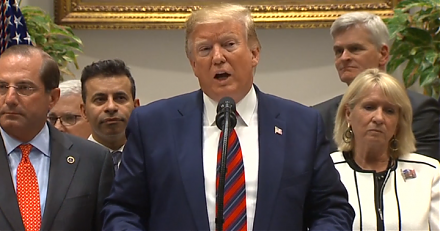
The Trump administration still expects to reach a Sino-U.S. trade agreement with a better mechanism for intellectual property protection and enforcement. Pr