
athenahealth, Inc., incorporated on August 21, 1997, provides network-based medical record, revenue cycle, patient engagement, care coordination and population health services. The Company also offers Epocrates and other point-of-care mobile applications. The Company delivers majority of its service offerings through a single instance of cloud-based software, athenaNet. The Company has a range of network-enabled services to support healthcare providers across the continuum of care. The Company offers various combinations of its services to its clients, including athenaOne and athenaOne for Hospitals and Health Systems, depending on whether they are medical groups and practices or hospitals and larger health systems. As of December 31, 2016, the Company connected care across a national network of approximately 88,000 providers and approximately 86 million patients. The Company's suite of network-enabled services includes athenaCollector, athenaClinicals, athenaCommunicator, athenaCoordinator, Population Health and Epocrates. ...
+See More2017-02-07 07:47:00 Tuesday ET

With prescient clairvoyance, Bill Gates predicted the recent sustainable rise of Netflix and Facebook during a Playboy interview back in 1994. He said th
2017-02-01 14:41:00 Wednesday ET

President Trump refreshes his public image through his presidential address to Congress with numerous ambitious economic policies in order to make America g
2025-09-14 14:23:00 Sunday ET
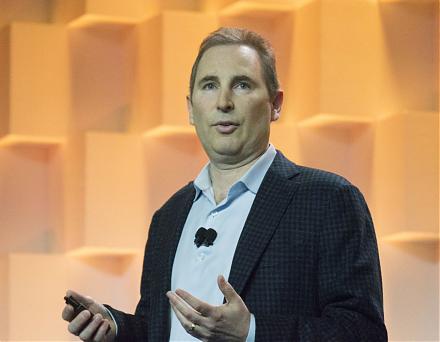
Stock Synopsis: With a new Python program, we use, adapt, apply, and leverage each of the mainstream Gemini Gen AI models to conduct this comprehensive fund
2018-12-13 08:30:00 Thursday ET

The recent arrest of HuaWei senior executive manager may upend the trade truce between America and China. At the request of several U.S. authorities, Canadi
2017-11-23 10:42:00 Thursday ET

As the TV host of Mad Money, Jim Cramer provides 5 key reasons against the purchase and use of cryptocurrencies such as Bitcoin. First, no one knows the ano
2017-12-23 10:40:00 Saturday ET
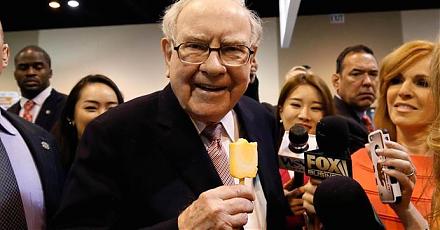
Despite having way more responsibility than anyone else, top business titans such as Warren Buffett, Charlie Munger, and Oprah Winfrey often step away from