
Air Products and Chemicals Inc. makes industrial gases as well as a variety of polymer and performance chemicals. It also supplies processing equipment. Air Products' reporting segments are as follows: Industrial Gases - Americas, Industrial Gases Europe, Middle East, and Africa/EMEA and Industrial Gases Asia segments include the results of the company's regional industrial gases businesses. These businesses sell atmospheric gases such as oxygen, nitrogen and argon and processes gases to a number of industries. Process gases such as carbon dioxide, helium, hydrogen, etc. are produced by other methods that exclude air separation. The largest cost component of the atmospheric gases is electricity. The Industrial Gases Global division designs and manufactures cryogenic and gas-processing equipment for air separation. The Corporate and other segment includes Air Products' liquefied natural gas sale of equipment business and helium storage and distribution vessel sale of equipment business....
+See More2019-04-17 11:34:00 Wednesday ET

Amazon CEO Jeff Bezos admits the fact that antitrust scrutiny remains a primary imminent threat to his e-commerce business empire. In his annual letter to A
2027-07-31 13:25:00 Saturday ET
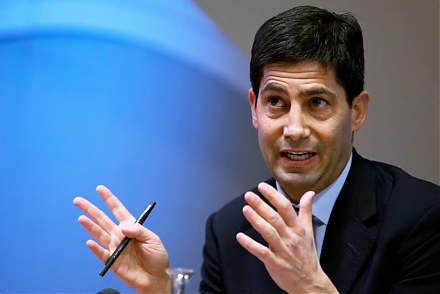
In the broader context of stablecoins for asset tokenization worldwide, many governments now seek to enter the global markets for stablecoins and other U.S.
2023-10-14 10:32:00 Saturday ET

Jonathan Baker frames the current debate over antitrust merger review and enforcement in America. Jonathan Baker (2019) The antitrust paradi
2019-02-15 11:33:00 Friday ET
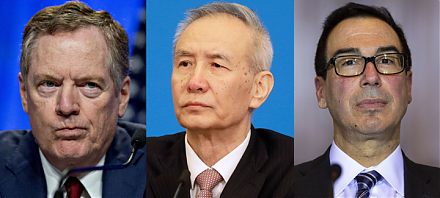
President Trump is open to extending the March 2019 deadline for raising tariffs on Chinese imports if both sides are close to mutual agreement. These bilat
2023-10-07 10:24:00 Saturday ET

Thomas Philippon draws attention to greater antitrust scrutiny in light of the rise of market power and its economic ripple effects. Thomas Philippon (20
2019-02-25 12:41:00 Monday ET
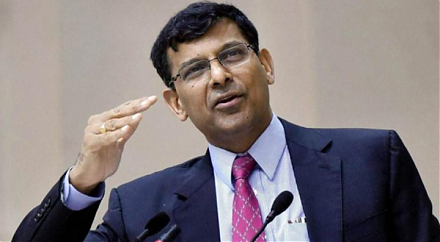
Chicago financial economist Raghuram Rajan views communities as the third pillar of liberal democracy in addition to open markets and states. Rajan suggests