
AngioDynamics Inc. designs, manufactures and sells a wide range of medical, surgical and diagnostic devices. The devices are generally used in minimally invasive, image-guided procedures. AngioDynamics product offerings fall within three Global Business Units, namely Oncology/Surgery, Endovascular Therapies and Vascular Access. Endovascular Therapies product offerings support the medical areas of Thrombus Management, Atherectomy, Peripheral Products and Venous Insufficiency. The Thrombus Management portfolio includes the proprietary AngioVac venous drainage cannula and circuit as well as catheter directed thrombolytic devices. Vascular Access arm offers advanced imaging equipment to guide the placement of catheters that primarily deliver short-term drug therapies. IGVA procedures include the placement of Peripherally Inserted Central Catheters lines, implantable ports and central venous catheters. Oncology/Surgery division includes Microwave Ablation, Radiofrequency Ablation and NanoKnife product lines....
+See More2019-07-31 11:34:00 Wednesday ET

AYA Analytica finbuzz podcast channel on YouTube July 2019 In this podcast, we discuss several topical issues as of July 2019: (1) All 18 systemical
2019-03-17 14:35:00 Sunday ET

U.S. trade rep Robert Lighthizer proposes America to require regular touchpoints to ensure Sino-U.S. trade deal enforcement. America has to maintain the thr
2023-11-30 08:29:00 Thursday ET

In addition to the OECD bank-credit-card model and Chinese online payment platforms, the open-payments gateways of UPI in India and Pix in Brazil have adapt
2019-07-25 16:42:00 Thursday ET
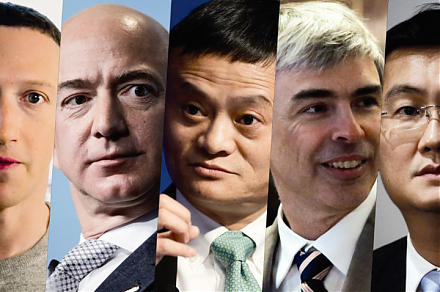
Platforms benefit from positive network effects, scale economies, and information cascades. There are at least 2 major types of highly valuable platforms: i
2018-02-27 09:35:00 Tuesday ET
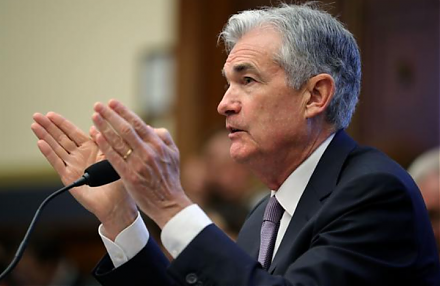
Fed's new chairman Jerome Powell testifies before Congress for the first time. He vows to prevent price instability for U.S. consumers, firms, and finan
2018-03-29 14:28:00 Thursday ET
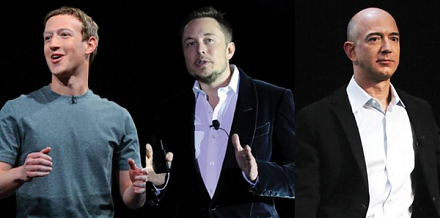
Share prices tumble for technology stocks due to Trump's criticism of Amazon's tax avoidance, Facebook user data breach of trust, and Tesla autopilo