
AutoNation, Inc. is the largest automotive retailer in the United States. The company offers vehicle maintenance and repair services, vehicle parts, extended service contracts, vehicle protection products, and other aftermarket products. It arranges financing for vehicle purchases through third-party sources. Its core brands are: Toyota, Ford, Honda, General Motors, FCA US, Mercedes-Benz, Nissan, BMW and Volkswagen. AutoNation's business is divided into 3 operating segments: Domestic, Import and Premium Luxury. The Domestic segment includes stores that sell vehicles manufactured by General Motors, Ford and Fiat Chrysler; whereas the Import segment comprises stores that sell vehicles manufactured by Toyota, Honda, Nissan, Hyundai and others. The Premium Luxury segment includes stores that sell vehicles manufactured by Daimler, BMW, Toyota, Audi and others. Its diversified set of automotive retail franchises supports the automotive retailer's business, which is sensitive to macroeconomic conditions....
+See More2019-12-10 09:30:00 Tuesday ET
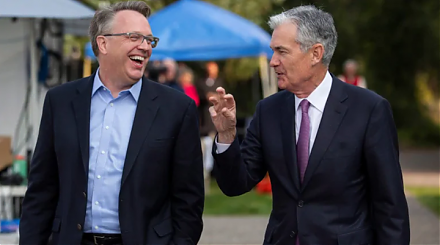
Federal Reserve institutes the third interest rate cut with a rare pause signal. The Federal Open Market Committee (FOMC) reduces the benchmark interest rat
2018-05-07 07:32:00 Monday ET
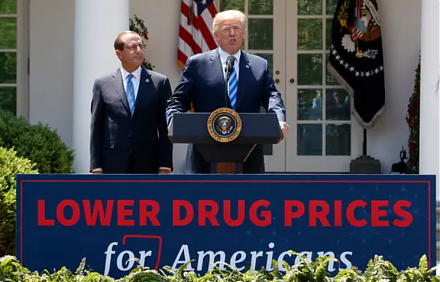
President Trump seeks to honor his campaign promise of lower U.S. medical costs by forcing higher big-pharma prices in foreign countries such as Canada, Bri
2019-03-07 12:39:00 Thursday ET
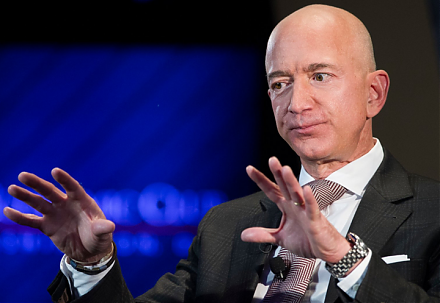
A physicist derives a mathematical formula that success equates the product of both personal quality and the potential value of a random idea. As a Northeas
2018-11-19 09:38:00 Monday ET
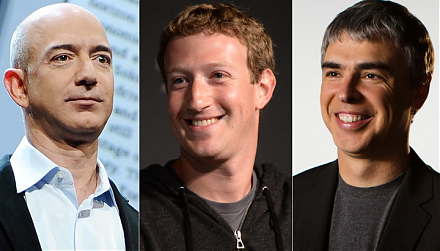
The Trump administration mulls over antitrust actions against Amazon, Facebook, and Google. President Trump indicates that the $5 billion fine against Googl
2018-04-05 07:42:00 Thursday ET
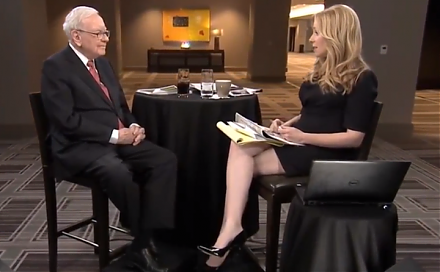
CNBC news anchor Becky Quick interviews Berkshire Hathaway's Warren Buffett in light of the recent stock market gyrations and movements. Warren Buffett
2018-07-07 10:33:00 Saturday ET
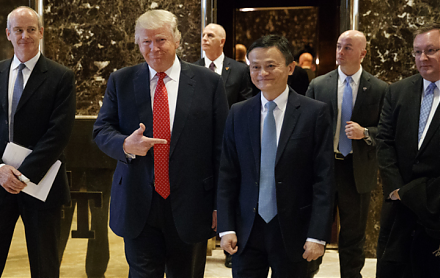
The east-west tech rivalry intensifies between BATs (Baidu, Alibaba, and Tencent) and FAANGs (Facebook, Apple, Amazon, Netflix, and Google). These Sino-U.S.