
Aflac Incorporated is a general business holding company and oversees the operations of its subsidiaries by providing management services and making capital available. Its principal business is voluntary supplemental and life insurance, which is marketed and administered through American Family Life Assurance Company of Columbus (Aflac) in the United States (Aflac U.S.) and through Aflac Life Insurance Japan Ltd. in Japan (Aflac Japan). Most of Aflac's policies are individually underwritten and marketed through independent agents. Additionally, Aflac U.S. markets and administers group products through Continental American Insurance Company (CAIC), branded as Aflac Group Insurance. Aflac Japan offers supplemental insurance products including cancer plans, general medical indemnity plans, medical/sickness riders, care plans, living benefit life plans, ordinary life insurance plans and annuities. Aflac U.S. markets and administers group products through Continental American Insurance Company (CAIC)....
+See More2019-06-30 12:37:00 Sunday ET

AYA Analytica finbuzz podcast channel on YouTube June 2019 In this podcast, we discuss several topical issues as of June 2019: (1) Federal Reserve h
2022-09-15 11:38:00 Thursday ET

Capital structure choices for private firms The Kauffman Firm Survey (KFS) database provides comprehensive panel data on 5,000+ American private firms fr
2023-02-21 08:27:00 Tuesday ET

Mark Granovetter follows the key principles of modern economic sociology to analyze social relations and economic phenomena. Mark Granovetter (2017) &
2023-12-10 09:23:00 Sunday ET
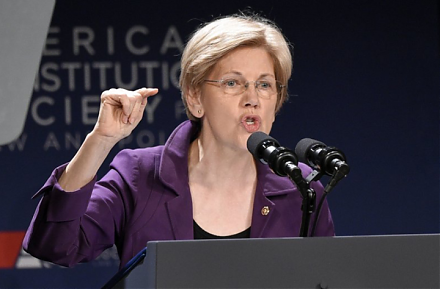
U.S. federalism and domestic institutional arrangements A given country is federal when both of its national and sub-national governments exercise separa
2019-03-03 10:39:00 Sunday ET

Tech companies seek to serve as quasi-financial intermediaries. Retail traders can list items for sale on eBay and then acquire these items economically on
2019-05-15 12:32:00 Wednesday ET
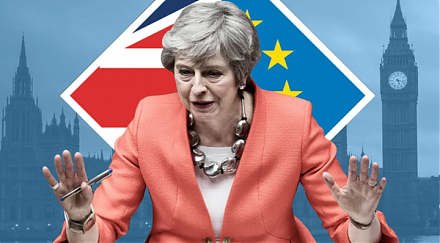
The May administration needs to seek a fresh fallback option for Halloween Brexit. After the House of Commons rejects Brexit proposals from the May administ