
Sanofi-Aventis manufactures & markets prescription drugs across countries. It focuses on major therapeutic areas such as multiple sclerosis, cardiovascular, immunology, neurology, oncology, rare blood disorders & diabetes, etc. By taking Genzyme Corporation as a subsidiary, it added products like Cerezyme, Myozyme/Lumizyme & Fabrazyme to its portfolio. Sanofi has become a major player in the CHC sector. It acquired many companies i.e. Ablynx & Bioverativ, Synthorx & Principia & Translate Bio and Kadmon. It has collaborated with companies like Regeneron among others. It develops and markets Dupixent, Kevzara & Libtayo in collaboration with Regeneron. Sanofi, along with Regeneron, is now solely responsible for Praluent marketing in & outside the U.S. Sanofi operates through 3 Global Business Units: Specialty Care (neurology & immunology, rare diseases, rare blood disorders & oncology), Vaccines & General Medicines (diabetes, cardiovascular & established products) and Consumer Healthcare, a standalone unit....
+See More2018-01-23 06:38:00 Tuesday ET
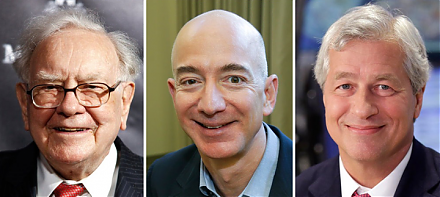
Amazon, Berkshire Hathaway, and JPMorgan Chase establish a new company to reduce U.S. employee health care costs in negotiations with drugmakers, doctors, a
2020-11-01 11:21:00 Sunday ET

Artificial intelligence continues to push boundaries for several tech titans to sustain their central disruptive innovations, competitive moats, and first-m
2018-03-13 07:34:00 Tuesday ET

From crony capitalism to state capitalism, what economic policy lessons can we learn from President Putin's current reign in Russia? In the 15 years of
2025-10-02 12:31:00 Thursday ET

Stock Synopsis: With a new Python program, we use, adapt, apply, and leverage each of the mainstream Gemini Gen AI models to conduct this comprehensive fund
2023-08-31 10:22:00 Thursday ET

Government intervention remains a major influence over global trade, finance, and technology. Nowadays, many governments tend to eschew common ownership
2017-01-11 11:38:00 Wednesday ET
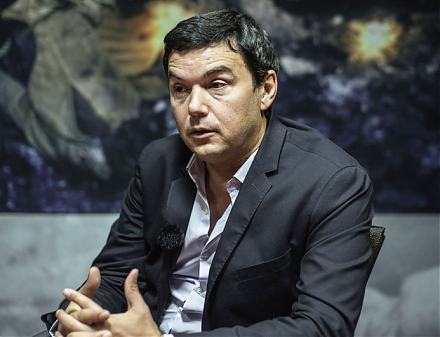
Thomas Piketty's recent new book *Capital in the Twenty-First Century* frames income and wealth inequality now as a global economic phenomenon. When