
Lockheed Martin Corp., the largest defense contractor in the world, serves in defense, space, intelligence, homeland security and information technology including cyber security to the U.S. Government, international customers and U.S. commercial & other customers. It has 4 businesses: Aeronautics, Missiles & Fire Control (MFC), Rotary & Missions Systems (RMS) and Space Systems. Its Aeronautics is engaged in the design, research and development, systems integration, production and support of advanced military aircraft and related technologies, including programs like F-35 Lightning II Joint Strike Fighter; C-130 Hercules; F-16 Fighting Falcon; F-22 Raptor; and C-5M Super Galaxy. Its MFC includes the Terminal High Altitude Area Defense System, Joint Light Tactical Vehicle, PAC-3 Missiles, logistics, etc.'Its RMS includes the Aegis Combat System, Littoral Combat Ship, MH-60 helicopter avionics, and military & commercial orders. Its Space Systems is engaged in commercial and military space systems....
+See More2020-08-26 10:33:00 Wednesday ET

Through purposeful leadership, senior managers inspire teams to reach heights of both innovation and profitability with great brand identity and customer lo
2025-09-13 12:23:00 Saturday ET

Stock Synopsis: With a new Python program, we use, adapt, apply, and leverage each of the mainstream Gemini Gen AI models to conduct this comprehensive fund
2019-10-21 10:35:00 Monday ET
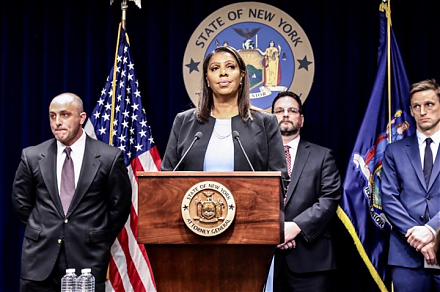
American state attorneys general begin bipartisan antitrust investigations into the market power and corporate behavior of central tech titans such as Apple
2019-01-05 11:39:00 Saturday ET

Reuters polls show that most Americans blame President Trump for the recent U.S. government shutdown. President Trump remains adamant about having to shut d
2017-10-03 18:39:00 Tuesday ET

President Trump has nominated Jerome Powell to run the Federal Reserve once Fed Chair Janet Yellen's current term expires in February 2018. Trump's
2019-04-27 16:41:00 Saturday ET
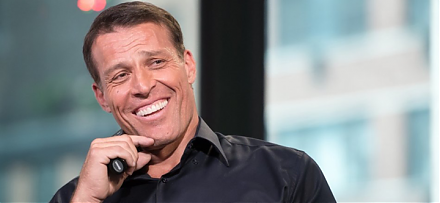
Tony Robbins suggests that one has to be able to make money during sleep hours in order to reach financial freedom. Most of our jobs and life experiences tr