
2018-12-21 11:39:00 Fri ET
stock market gold oil stock return s&p 500 asset market stabilization asset price fluctuations stocks bonds currencies commodities funds term spreads credit spreads fair value spreads asset investments
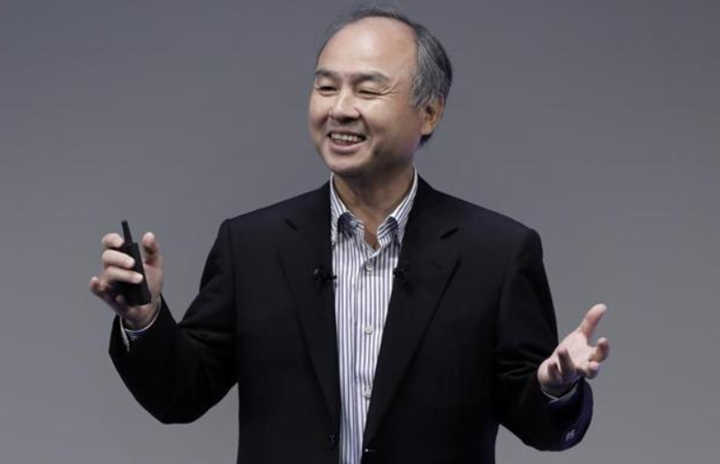
The Internet and telecom conglomerate SoftBank Group raises $23 billion in the biggest IPO in Japan. Going public is part of the major corporate move away from telecommunication toward investing in tech startups through the SoftBank Vision Fund. SoftBank founder and executive director Masayoshi Son runs this fund that receives steady external finance from Saudi Arabia.
The SoftBank mobile move marks the largest-ever IPO in Japan, but its share price plunges more than 14% to 1,404 yen on the first day of trading on the Tokyo stock exchange. This sharp share price decline reflects the fact that many stock market investors tend to overvalue IPOs in Japan as overconfident CEOs try to time the stock market by opportunistically offering private equity stakes to retail investors, fund managers, and other institutional investors.
SoftBank billionaire founder Masayoshi Son is one of the wealthiest investors in the world, and he runs his $100 billion SoftBank Vision Fund as a key global tech investment vehicle. Son maintains good business relations and connections with many unicorn hunters and tech entrepreneurs in Silicon Valley, royal investors in Saudi Arabia, and Internet titans such as Alibaba and Foxconn executive chairmen Jack Ma and Terry Guo in China.
If any of our AYA Analytica financial health memos (FHM), blog posts, ebooks, newsletters, and notifications etc, or any other form of online content curation, involves potential copyright concerns, please feel free to contact us at service@ayafintech.network so that we can remove relevant content in response to any such request within a reasonable time frame.
2019-12-01 10:31:00 Sunday ET
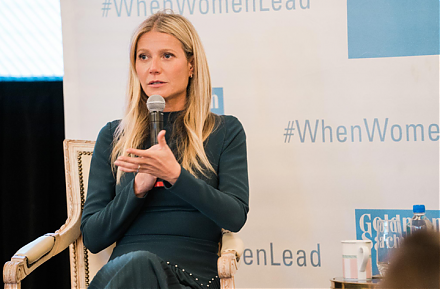
Goop Founder and CEO Gwyneth Paltrow serves as a great inspiration for female entrepreneurs. Paltrow designs Goop as an online newsletter, and this newslett
2020-05-21 11:30:00 Thursday ET

Most blue-ocean strategists shift fundamental focus from current competitors to alternative non-customers with new market space. W. Chan Kim and Renee Ma
2024-04-02 04:45:41 Tuesday ET
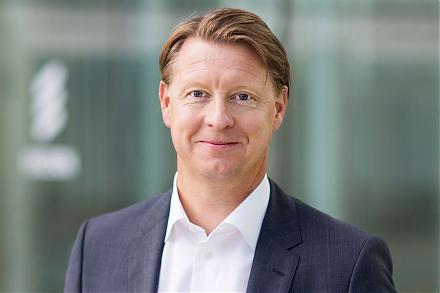
Stock Synopsis: High-speed 5G broadband and mobile cloud telecommunication In the U.S. telecom industry for high-speed Internet connections and mobile cl
2018-11-30 12:42:00 Friday ET

Andy Yeh Alpha (AYA) AYA Analytica financial health memo (FHM) podcast channel on YouTube November 2018 AYA Analytica is our online regular podcast and news
2018-12-22 14:38:00 Saturday ET
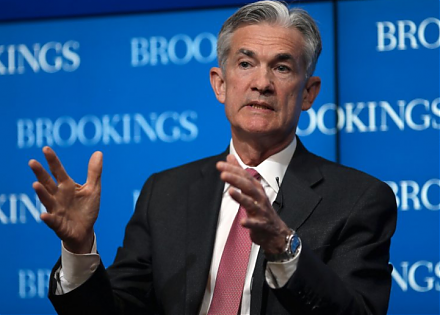
Federal Reserve raises the interest rate to the target range of 2.25% to 2.5% as of December 2018. Fed Chair Jerome Powell highlights the dovish interest ra
2018-07-15 11:35:00 Sunday ET
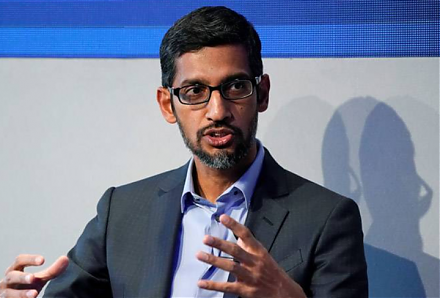
Facebook, Google, and Twitter attend a U.S. House testimony on whether these social media titans filter web content for political reasons. These network pla