
Ford Motor Company designs, manufactures, markets and services cars, trucks, sport utility vehicles, electrified vehicles, and Lincoln luxury vehicles. Apart from vehicles, the company provides financial services through Ford Motor Credit Company LLC. Ford has three reportable operating segments: The Automotive segment is engaged in the design, development, manufacture, sale and service of Ford and Lincoln vehicles as well as service parts, and accessories. The company's wholesales primarily consisted of vehicles sold to dealerships. It also sells parts and accessories to authorized parts distributors and offers extended service contracts. The Mobility segment focuses on designing, building, growing and investing in mobility services, and autonomous technology businesses for the company. The segment works as a subsidiary of Ford under the name Ford Smart Mobility LLC. The Ford Credit'segment deals with vehicle-related financing and leasing activities....
+See More2019-07-05 09:32:00 Friday ET

Warwick macroeconomic expert Roger Farmer proposes paying for social welfare programs with no tax hikes. The U.S. government pension and Medicare liabilitie
2017-10-09 09:34:00 Monday ET
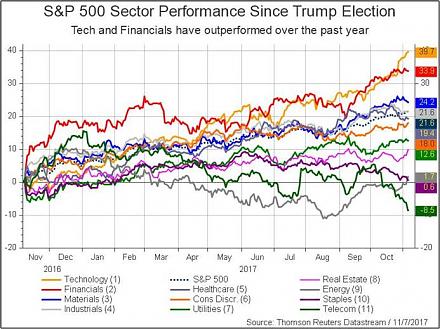
The current Trump stock market rally has been impressive from November 2016 to October 2017. S&P 500 has risen by 21.1% since the 2016 presidential elec
2019-05-07 09:30:00 Tuesday ET
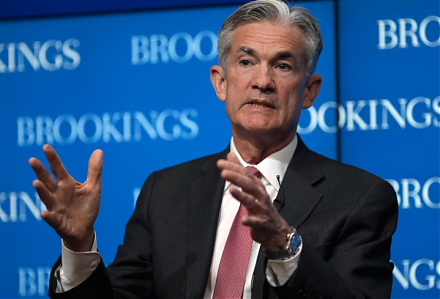
The Trump team receives a 3.2% first-quarter GDP boost as Fed Chair Jay Powell halts the next interest rate hike in early-May 2019. This smooth upward econo
2019-06-07 04:02:05 Friday ET
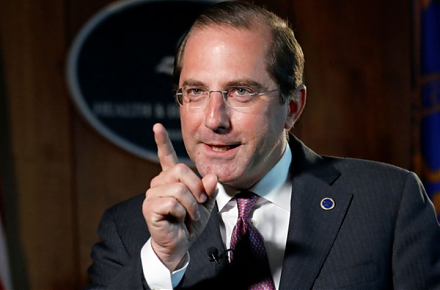
The world seeks to reduce medicine prices and other health care costs to better regulate big pharma. Nowadays the Trump administration requires pharmaceutic
2018-12-11 10:34:06 Tuesday ET

Several eminent American China-specialists champion the key notion of *strategic engagement* with the Xi administration. From the Hoover Institution at Stan
2018-06-09 16:40:00 Saturday ET
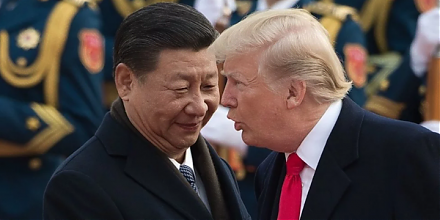
The Trump administration introduces new tariffs on $50 billion Chinese goods amid the persistent bilateral trade dispute. The tariffs effectively boost cost