Bristol-Myers Squibb is a one of the leading global specialty biopharmaceutical companies focused on the development of treatments targeting serious diseases like cancer, inflammatory, immunologic, cardiovascular or fibrotic diseases. Backed by its blockbuster immuno-oncology drug, Opdivo, Bristol-Myers has a strong oncology portfolio, comprising other drugs like Revlimid, Pomalyst, Sprycel, Yervoy and Empliciti. It also has important immunology and cardiovascular drugs like Orencia and Eliquis. It's experiencing growth in both the Eliquis brand and the market, while also advancing its Factor XIa inhibitor program. After the sale of the global Diabetes business to AstraZeneca and the discontinuation of discovery research efforts in virology, it's focusing solely on research in core therapeutic areas like oncology, immuno-oncology, immunoscience, cardiovascular, fibrosis and genetically defined diseases. It acquried Celgene Corporation and MyoKardia. It received regulatory approvals for Reblozyl and Inrebic....
+See More2020-04-24 11:33:00 Friday ET

Disruptive innovations tend to contribute to business success in new blue-ocean markets after iterative continuous improvements. Clayton Christensen and
2018-01-05 07:37:00 Friday ET

Warren Buffett cleverly points out that American children will not only be better off than their parents, but the former will also enjoy higher living stand
2024-07-31 09:28:00 Wednesday ET

In the modern monetary system, each new CBDC helps anchor public trust in money in support of economic welfare, especially in a cashless society. In our
2018-04-26 07:37:00 Thursday ET

Credit supply growth drives business cycle fluctuations and often sows the seeds of their own subsequent destruction. The global financial crisis from 2008
2018-09-09 13:42:00 Sunday ET
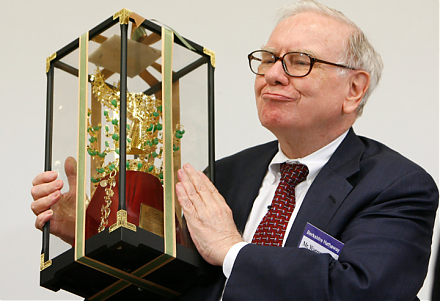
Warren Buffett shares his key insights into life, success, money, and interpersonal communication. Institutional money managers and retail investors ca
2018-01-08 10:37:00 Monday ET
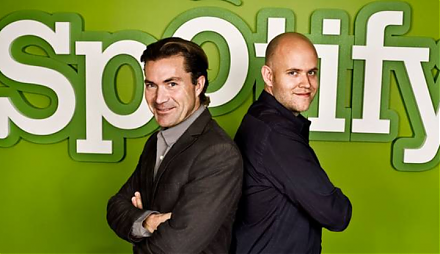
Spotify considers directly selling its shares to the retail public with no underwriter involvement. The music-streaming company plans a direct list on NYSE