
Blueknight Energy Partners, L.P., based in Tulsa, Oklahoma, owns and operates a diversified portfolio of complementary midstream energy assets. It provides midstream services to its customers by focusing in three operational areas: crude oil terminalling and storage, crude oil gathering and transportation services and asphalt terminalling, storage and processing services. The Company's strategically located storage facilities, terminals and pipelines provide customers the flexibility to access multiple receipt and delivery points. Its vision is to use its strategically located assets to be a leading provider of midstream services in the energy industry. It intends to accomplish its objective by: pursuing both strategic and accretive acquisitions within the midstream energy industry, pursuing organic expansion opportunities by constructing additional assets in strategic locations, and expanding storage capacity, particularly at its Cushing terminal, and increasing the profitability of its existing assets....
+See More2018-01-29 07:38:00 Monday ET
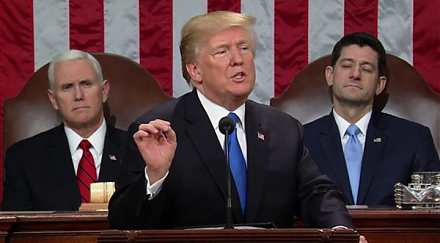
President Donald Trump delivers his first state-of-the-union address. Several key highlights touch on economic issues from fiscal stimulus and trade protect
2019-08-22 11:35:00 Thursday ET

Fundamental factors often reflect macroeconomic innovations and so help inform better stock investment decisions. Nobel Laureate Eugene Fama and his long-ti
2020-02-19 14:35:00 Wednesday ET

The U.S. bank oligarchy has become bigger, more profitable, and more resistant to public regulation after the global financial crisis. Simon Johnson and
2018-09-23 08:37:00 Sunday ET
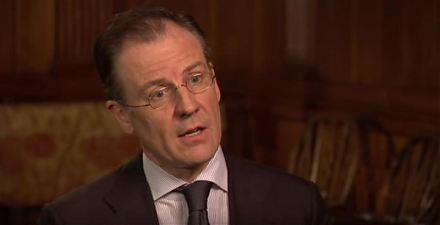
Bank of America Merrill Lynch's chief investment strategist Michael Hartnett points out that U.S. corporate debt (not household credit supply or bank ca
2019-07-29 11:33:00 Monday ET
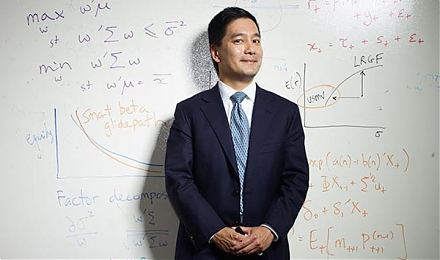
Blackrock asset research director Andrew Ang shares his economic insights into fundamental factors for global asset management. As Ang indicates in an inter
2018-07-05 13:40:00 Thursday ET
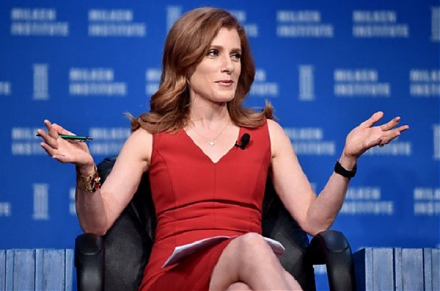
U.S. trading partners such as the European Union, Canada, China, Japan, Mexico, and Russia voice their concern at the World Trade Organization (WTO) in ligh