
The Boeing Co. is one of the largest defense contractors in the U.S. for its premier jet aircraft along with varied defense products. Its customers include domestic & foreign airlines, the U.S. DoD, the Department of Homeland Security, the NASA, other aerospace prime contractors, and certain U.S. government and commercial communications customers. It has 4 segments. Boeing Commercial Airplanes Segment develops, produces & markets commercial jets, and support services. The 3 units that comprise the Boeing Defense, Space & Security (BDS) segment are as follows: Boeing Military Aircraft, Network and Space Systems and Global Services and Support. Boeing Global Services Segment brings together certain Commercial Aviation Services businesses and BDS businesses. It provides parts, maintenance, modifications, logistics support, training, data analytics and information-based services. Boeing Capital Corp. Segment provides selective financing solutions for BDS segment government customers....
+See More2018-05-08 13:39:00 Tuesday ET
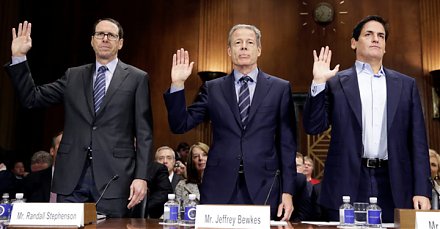
The Trump administration weighs the pros and cons of a potential mega merger between AT&T and Time Warner. Recent stock prices show favorable trends for
2020-10-27 07:43:00 Tuesday ET

Most agile lean enterprises often choose to cut costs strategically to make their respective business models fit for growth. Vinay Couto, John Plansky,
2017-01-27 17:19:00 Friday ET
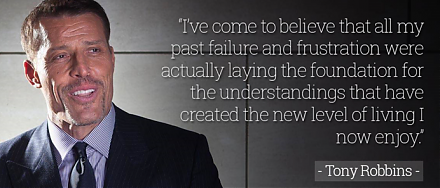
Tony Robbins explains in his latest book on personal finance that *patience* is the top secret to successful stock investment. The stock market embeds an
2022-04-15 10:32:00 Friday ET

Corporate investment management This review of corporate investment literature focuses on some recent empirical studies of M&A, capital investm
2023-05-31 03:15:40 Wednesday ET
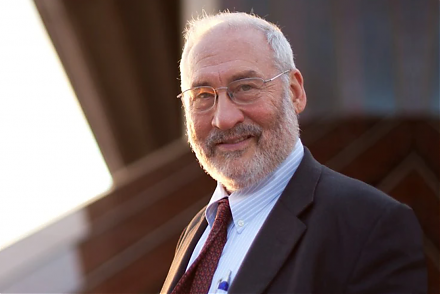
The U.S. further derisks and decouples from China. Why does the U.S. seek to further economically decouple from China? In recent times, th
2019-02-06 10:36:49 Wednesday ET
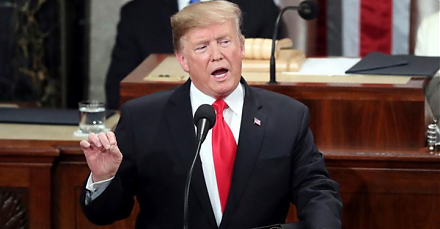
President Trump delivers his second state-of-the-union address to U.S. Congress. Several key themes emerge from this presidential address. First, President