Abercrombie & Fitch Co. operates as a specialty retailer of all types of premium, high-quality casual apparel for men, women, and kids through a vast store network across N. America, Europe, Asia and the Middle East under the Abercrombie & Fitch, abercrombie kids and Hollister brands. Also, the company sells inner wear, personal care products, sleepwear and at-home products for girls through direct-to-consumer operations and Hollister stores under the Gilly Hicks brand. It also sells products through its e-commerce platform. Region-wise it reports its sales under two segments - U.S. Stores (U.S. and Puerto Rico) and International Stores (Canada, Europe, Asia, Australia and the Middle East). Brand-wise, Abercrombie reports in 2 segments - Abercrombie and Hollister. Abercrombie includes the Abercrombie & Fitch and abercrombie kids brands. Hollister is based on a South California theme, and targets youth in their late teens. Stores under this brand also offer intimate products of the Gilly Hicks brand....
+See More2018-11-27 10:37:00 Tuesday ET
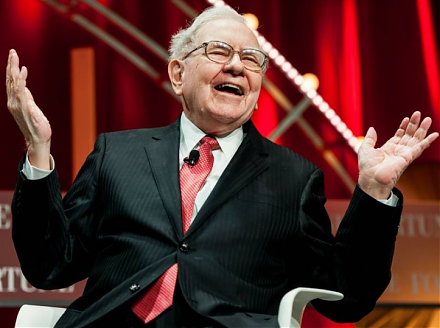
Warren Buffett offloads a few stocks from the Berkshire Hathaway portfolio in mid-November 2018. The latest S.E.C. report shows that the Oracle of Omaha sol
2019-04-11 07:35:00 Thursday ET
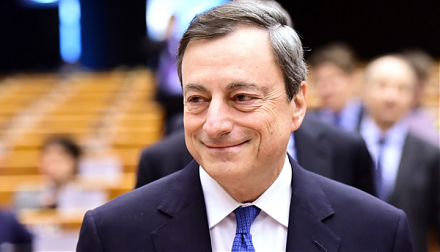
European Central Bank designs its current monetary policy reaction function and interest rate forward guidance in response to key delays in inflation conver
2019-08-07 12:33:00 Wednesday ET
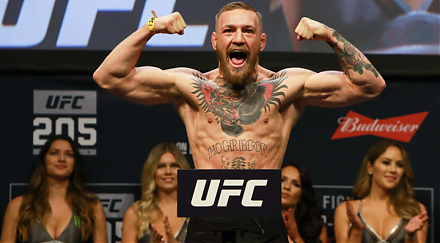
Conor McGregor learns a major money lesson from LeBron James. This lesson suggests that James spends about $1.5 million on his own body each year. The $1.5
2023-01-03 09:34:00 Tuesday ET
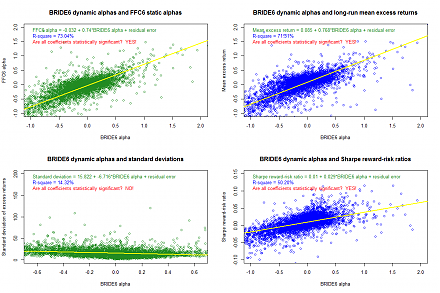
USPTO fintech patent protection and accreditation As of early-January 2023, the U.S. Patent and Trademark Office (USPTO) has approved
2019-05-19 19:31:00 Sunday ET

MIT professor and co-author Daron Acemoglu suggests that economic prosperity comes from high-wage job creation. Progressive tax redistribution cannot achiev
2018-12-05 09:38:00 Wednesday ET
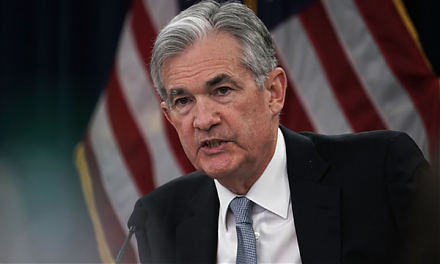
Federal Reserve publishes its inaugural flagship financial stability report. Fed Chair Jerome Powell applauds both low inflation (2%) and low unemployment (