
Autoliv Inc., operating through two principal subsidiaries Autoliv AB and Autoliv ASP, is one of the leading manufacturers and suppliers of a wide range of products, which majorly includes passive safety systems. Its passive safety systems include modules and components for frontal-impact & side-impact airbag protection systems, seatbelts, steering wheels, inflator technologies, battery cable cutters, pedestrian protection systems and child seats. Autoliv engages in joint ventures to expand geographical expansion, develop and gain support to market its full product line to vehicle manufacturers. Its business is conducted in five key regions, which includes Europe, the Americas, China, Japan and the Rest of Asia.'Major customers of this automotive safety supplier include Mitsubishi Motors, Nissan, Renault, Ford, Volkswagen, Hyundai, Kia, Honda, Toyota, Daimler, General Motors, BMW and Stellantis. It has two reportable segments: Airbags & Associated Products'and Seatbelts & Associated Products....
+See More2018-11-05 10:40:00 Monday ET
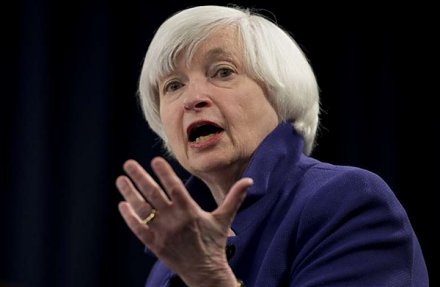
Former Fed Chair Janet Yellen worries about U.S. government debt accumulation, expects new interest rate increases, and warns of the next economic recession
2025-06-21 10:25:00 Saturday ET
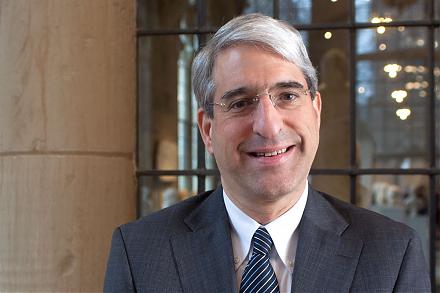
Former New York Times science author and Harvard psychologist Daniel Goleman explains why emotional intelligence can serve as a more important critical succ
2023-08-14 09:25:00 Monday ET
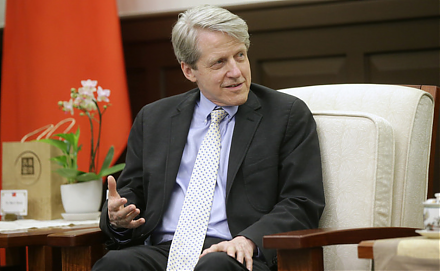
Peter Isard analyzes the proper economic policy reforms and root causes of global financial crises of the 1990s and 2008-2009. Peter Isard (2005) &nbs
2020-09-10 08:31:00 Thursday ET
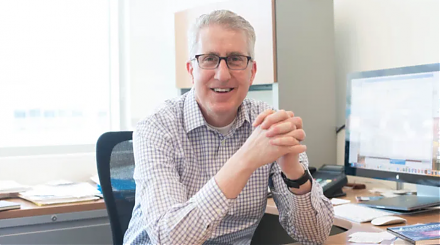
Most business organizations should continue to create new value in order to achieve long-run success and sustainable profitability. Todd Zenger (2016)
2018-02-19 08:39:00 Monday ET
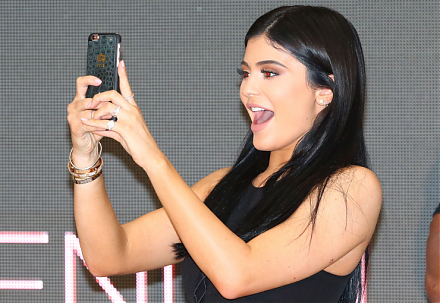
Snap cannot keep up with the Kardashians because its stock loses market value 7% or $1 billion after Kylie Jenner tweets about her decision to leave Snapcha
2018-09-05 08:34:00 Wednesday ET
Citron Research short-sellers initiate a class-action lawsuit against Tesla and its executive chairman Elon Musk because he might have deliberately orchestr