
2018-01-07 09:33:00 Sun ET
technology social safety nets education infrastructure health insurance health care medical care medication vaccine social security pension deposit insurance
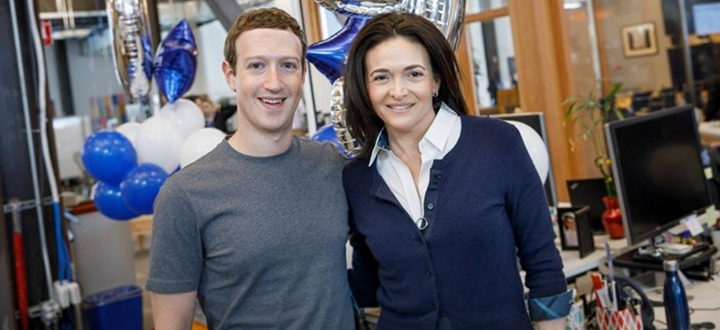
Zuckerberg announces his major changes in Facebook's newsfeed algorithm and user authentication. Facebook now has to change the newsfeed filter to prioritize what family and friends share. At the same time, Facebook reduces the amount of non-advertising content from brands and publishers. This transition places a much greater emphasis on each user's inner circle and social network. Organic business reach and engagement would dramatically decline as a result. Also, this transition can adversely affect several key metrics such as regular impressions, unique page views, and periodic user interactions.
Several critics blame Facebook's prior newsfeed algorithms that may inadvertently prioritize misinformation. Moreover, the critics point out that Facebook might have been the conduit for Russian influence in the 2016 U.S. presidential election. This issue applies to both domestic and foreign interference in major political discourse elsewhere outside America. After all, Facebook seeks to fulfill its core mission of connecting people and communities with both informative and meaningful member interactions in the world.
Because Facebook refrains from becoming a social media publisher, the tech titan continues its artificial-intelligence-driven network platform as an online distributor of online ads and news. In addition to user privacy concerns, Zuckerberg hopes to generates more revenue from individual and business accounts with better user authentication via Facebook, Instagram, and WhatsApp.
If any of our AYA Analytica financial health memos (FHM), blog posts, ebooks, newsletters, and notifications etc, or any other form of online content curation, involves potential copyright concerns, please feel free to contact us at service@ayafintech.network so that we can remove relevant content in response to any such request within a reasonable time frame.
2023-05-07 10:27:00 Sunday ET
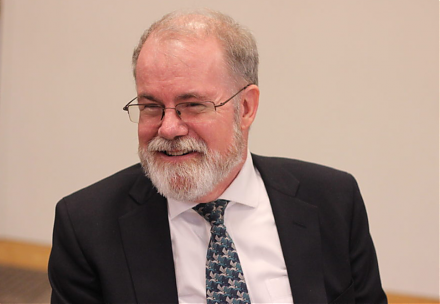
William Easterly critiques several economic development policies and then indicates that bottom-up solutions often result in macro policy success in spite o
2018-12-01 11:37:00 Saturday ET

As the solo author of the books Millionaire Next Door and Richer Than Millionaire, William Danko shares 3 top secrets for *better wealth creation*. True pro
2019-05-23 10:33:00 Thursday ET
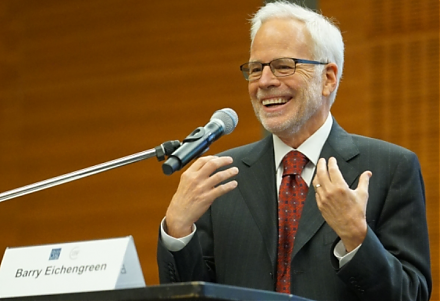
Berkeley professor and economist Barry Eichengreen reconciles the nominal and real interest rates to argue in favor of greater fiscal deficits. French econo
2018-05-19 09:29:00 Saturday ET
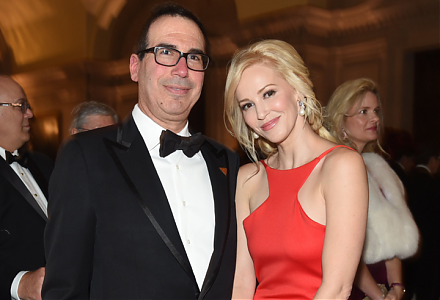
Treasury Secretary Steve Mnuchin indicates that the Trump team puts the trade war with China on hold. The interim suspension of U.S. tariffs should offer in
2018-05-01 11:38:00 Tuesday ET
America and China play the game of chicken over trade and technology, whereas, most market observers and economic media commentators hope the Trump team to
2018-03-11 08:27:00 Sunday ET

At 89 years old, Hong Kong billionaire Li Ka-Shing announces his retirement in March 2018. With a personal net worth of $35 billion, Li has an incredible ra