
2017-01-17 12:42:00 Tue ET
stock market gold oil stock return s&p 500 asset market stabilization asset price fluctuations stocks bonds currencies commodities funds term spreads credit spreads fair value spreads asset investments
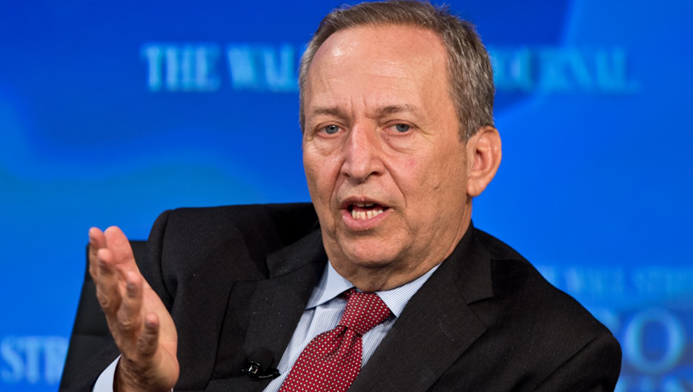
Former Treasury Secretary and Harvard President Larry Summers critiques that the Trump administration's generous tax holiday for American multinational corporations may have inadvertent consequences.
This Bloomberg news article and video clip summarize Summers's critiques in several bullet points.
When these corporations repatriate offshore cash, this cash is unlikely to be spent on domestic job creation and R&D innovation.
This cash might go into greater empire-driven M&A expansion, opportunistic low-cost share buyback, and financial reorganization.
This managerial hubris can translate into bigger bonuses and cash windfalls for many senior executive managers to the detriment of minority shareholders.
This managerial rent protection not only entrenches key corporate blockholders but also exacerbates income and wealth inequality in Corporate America.
The supply-side tax cuts and infrastructure expenditures move beyond voodoo economics with extraordinary uncertainty.
Can Trump's economic policy reforms prove their worth in due course?
If any of our AYA Analytica financial health memos (FHM), blog posts, ebooks, newsletters, and notifications etc, or any other form of online content curation, involves potential copyright concerns, please feel free to contact us at service@ayafintech.network so that we can remove relevant content in response to any such request within a reasonable time frame.
2020-03-19 13:39:00 Thursday ET
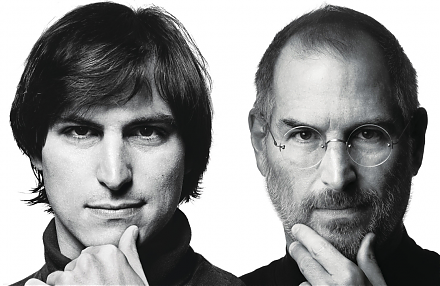
The business legacy and sensitivity of Steve Jobs can transform smart mobile devices with Internet connectivity, music and video content curation, and digit
2019-10-27 17:37:00 Sunday ET
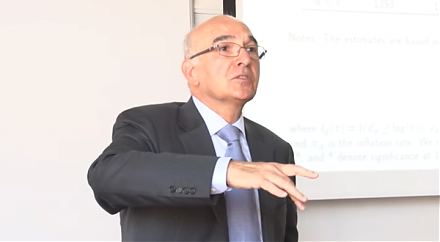
International climate change can cause an adverse impact on long-term real GDP economic growth. USC climate change economist Hashem Pesaran and his co-autho
2020-06-10 10:35:00 Wednesday ET
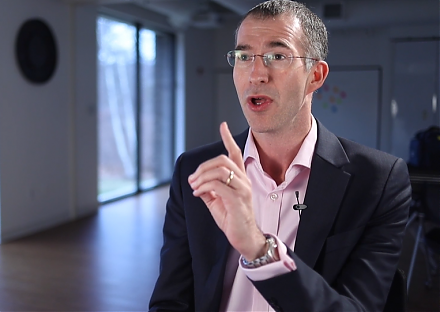
Most lean enterprises should facilitate the dual transformation of both core assets with fresh cash flows and new growth options. Scott Anthony, Clark Gi
2023-06-21 12:32:00 Wednesday ET
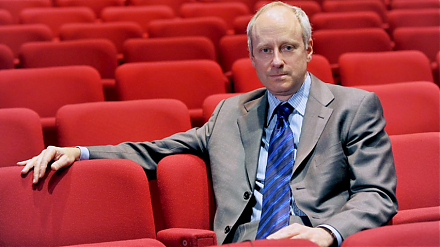
Michael Sandel analyzes what money cannot buy in stark contrast to the free market ideology of capitalism. Michael Sandel (2013) What money
2018-11-07 08:30:00 Wednesday ET
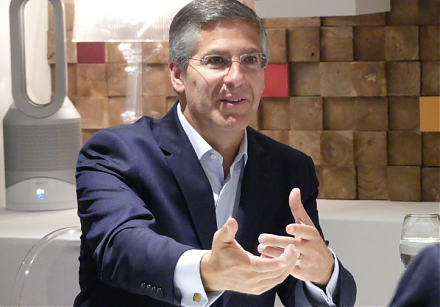
PwC releases a new study of top innovators worldwide as of November 2018. This study assesses the top 1,000 global companies that spend the most on R&D
2019-01-17 10:41:00 Thursday ET
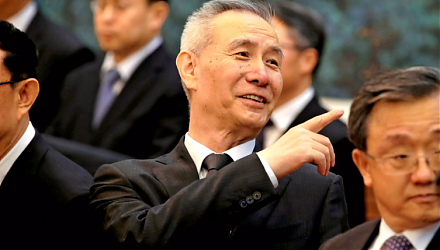
Sino-American trade talks make positive progress over 3 consecutive days as S&P 500 and global stock market indices post 3-day win streaks. Asian and Eu