
2018-10-07 13:39:00 Sun ET
federal reserve monetary policy treasury dollar employment inflation interest rate exchange rate macrofinance recession systemic risk economic growth central bank fomc greenback forward guidance euro capital global financial cycle credit cycle yield curve
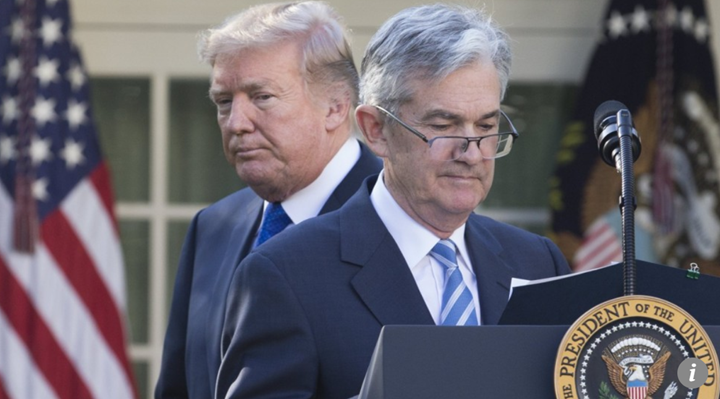
The U.S. greenback soars in value as the Federal Reserve continues its interest rate hike. With impressive service-sector data and non-farm payroll wage growth, the dollar hits an 11-month high level against foreign currencies such as the Euro, British pound, Japanese yen, and Chinese renminbi etc. This currency adjustment drives U.S. 10-year Treasury yield to its highest level near 3.2% since mid-2011.
The latter long-term Treasury bond yield increase assuages the recent worries and concerns about potential U.S. yield curve inversion, which often indicates the dawn of a major U.S. economic recession.
From Europe and Australia to China and India, global economies either stagnate or slow down as U.S.-centric free capital flows take place. In addition to the recent greenback strength, crude oil prices surge toward $89-$95 per barrel in response to sequential decreases in OPEC oil production. As this oil price hike coincides with dollar appreciation, American households, firms, and financial intermediaries face inflationary cost increases across a common basket of goods and services.
Several economic media commentators pencil in another U.S. Federal Reserve interest rate hike in December 2018 for better inflation containment.
If any of our AYA Analytica financial health memos (FHM), blog posts, ebooks, newsletters, and notifications etc, or any other form of online content curation, involves potential copyright concerns, please feel free to contact us at service@ayafintech.network so that we can remove relevant content in response to any such request within a reasonable time frame.
2023-06-14 10:26:00 Wednesday ET
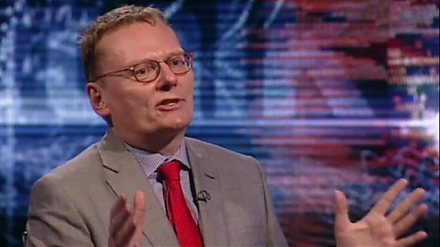
Daron Acemoglu and James Robinson show that good inclusive institutions contribute to better long-run economic growth. Daron Acemoglu and James Robinson
2024-01-31 14:33:00 Wednesday ET
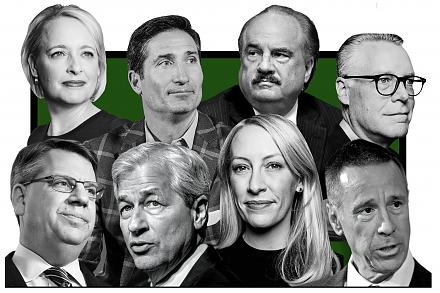
The new world order of trade helps accomplish non-economic policy goals such as national security and technological dominance. To the extent that freer
2017-12-03 08:37:00 Sunday ET
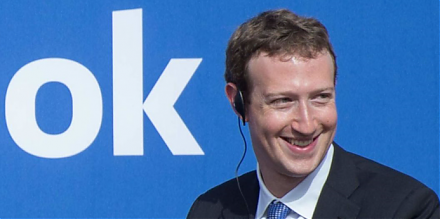
Sean Parker, Napster founder and a former investor in Facebook, has become a "conscientious objector" on Facebook. Parker says Facebook explo
2019-11-23 08:33:00 Saturday ET
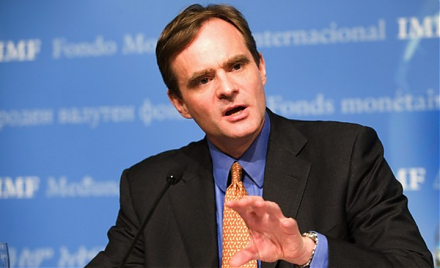
MIT financial economist Simon Johnson rethinks capitalism with better key market incentives. Johnson refers to the recent Business Roundtable CEO statement
2018-12-29 09:32:00 Saturday ET

Andy Yeh Alpha (AYA) AYA Analytica financial health memo (FHM) podcast channel on YouTube December 2018 AYA Analytica is our online regular podcast and news
2020-10-27 07:43:00 Tuesday ET

Most agile lean enterprises often choose to cut costs strategically to make their respective business models fit for growth. Vinay Couto, John Plansky,