
2018-11-19 09:38:00 Mon ET
technology antitrust competition bilateral trade free trade fair trade trade agreement trade surplus trade deficit multilateralism neoliberalism world trade organization regulation public utility current account compliance
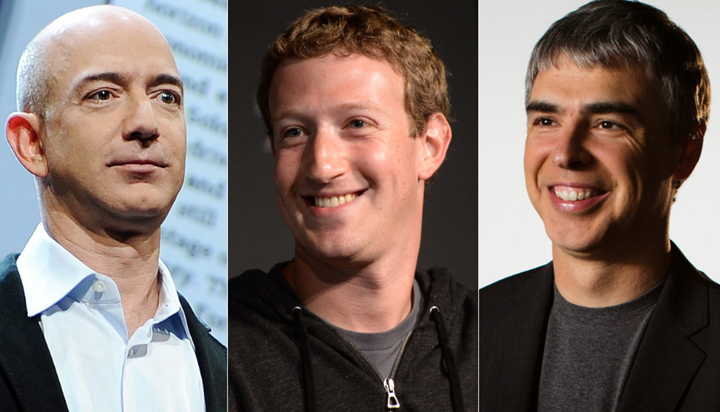
The Trump administration mulls over antitrust actions against Amazon, Facebook, and Google. President Trump indicates that the $5 billion fine against Google from the European Union makes him consider pursuing fresh rules and regulations on Amazon, Facebook, and Google.
There is a pervasive concern that these tech titans monopolize specific niches with both exorbitant market power and dominance. Amazon dominates in e-commerce and cloud service with substantial clout; Facebook specializes in social media with more than 2 billion active users; and Google monopolizes online search with 90%+ U.S. Internet search traffic. The tech titans seek to make productive use of artificial intelligence to expand into the adjacent markets for autonomous vehicles, smart home appliances, and many other mobile devices. For these relevant reasons, the Trump administration considers antitrust actions against these tech giants.
The Trump administration may impose one-off penalties on Amazon, Facebook, and Google etc for specific antitrust situations. However, President Trump has no comment on breaking up the tech titans. The prior Microsoft case can offer insights into this similar antitrust dilemma, and the Trump administration may further draw lessons from the rules and regulations on banks and pharmaceutical firms.
If any of our AYA Analytica financial health memos (FHM), blog posts, ebooks, newsletters, and notifications etc, or any other form of online content curation, involves potential copyright concerns, please feel free to contact us at service@ayafintech.network so that we can remove relevant content in response to any such request within a reasonable time frame.
2018-11-05 10:40:00 Monday ET
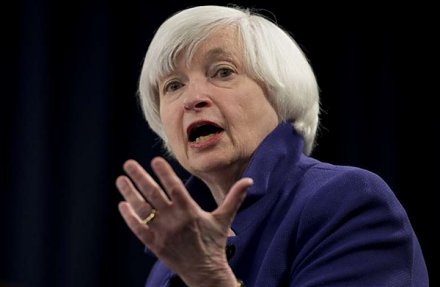
Former Fed Chair Janet Yellen worries about U.S. government debt accumulation, expects new interest rate increases, and warns of the next economic recession
2017-09-13 10:35:00 Wednesday ET

CNBC reports the Top 5 features of Apple's iPhone X. This new product release can be the rising tide that lifts all boats in Apple's upstream value
2018-01-12 07:37:00 Friday ET
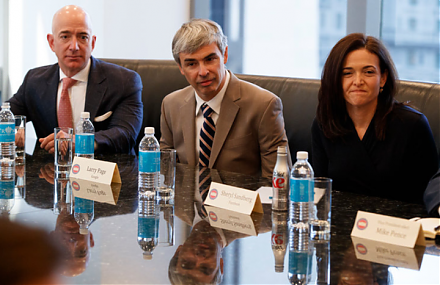
The Economist delves into the modern perils of tech titans such as Apple, Amazon, Facebook, and Google. These key tech titans often receive plaudits for mak
2019-01-19 12:38:00 Saturday ET
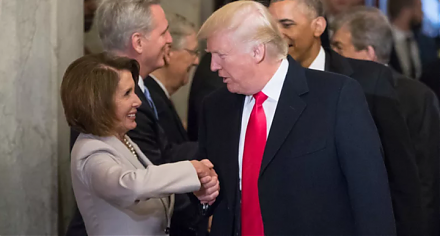
U.S. government shuts down again because House Democrats refuse to spend $5 billion on the border wall that would give President Trump great victory on his
2019-04-26 09:33:00 Friday ET
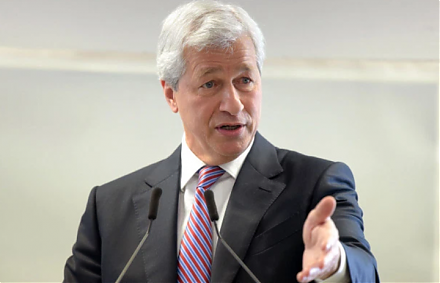
JPMorgan Chase CEO Jamie Dimon defends capitalism in his recent annual letter to shareholders. As Dimon explains here, socialism inevitably produces stagnat
2018-09-21 09:41:00 Friday ET
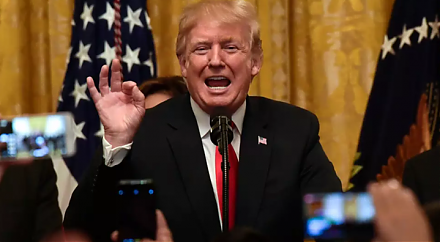
Former World Bank and IMF chief advisor Anne Krueger explains why the Trump administration's current tariff tactics undermine the multilateral global tr