
2018-10-01 07:33:00 Mon ET
technology antitrust competition bilateral trade free trade fair trade trade agreement trade surplus trade deficit multilateralism neoliberalism world trade organization regulation public utility current account compliance
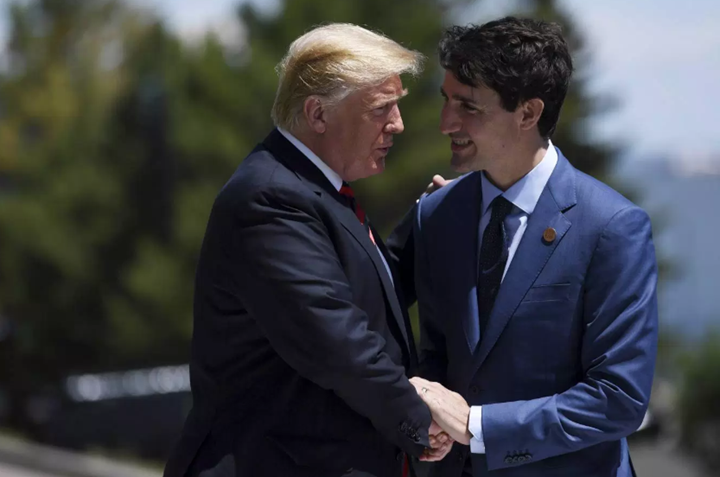
President Trump announces the new trilateral trade agreement among America, Canada, and Mexico: the U.S.-Mexico-Canada Agreement (USMCA) replaces and revamps the 24-year-old North America Free Trade Agreement (NAFTA). Through this agreement, the Trump administration grants Canada and Mexico reprieve on automobile tariffs. In return, Canada reduces import barriers for American dairy products. Mexico also implements more employee protection rules and regulations.
USMCA enriches and strengthens the economic lives of the U.S. middle-class and further creates new job opportunities for half billion residents in North America. The trade pact comes up for trilateral review once every 6 years and in turn gives the Trump administration significant leverage to ensure its fair trade and commerce with Canada and Mexico.
President Trump touts and hails this new trade pact with Canada and Mexico as a major win for American workers and especially the U.S. automobile industry. Thus, USMCA contributes to President Trump's key motifs in the merry medley of Make America Great Again (MAGA). Stock market investors breathe a sigh of relief that the key pillars of North America Free Trade Agreement (NAFTA) survive President Trump's hardball strategy to reshape global commerce.
If any of our AYA Analytica financial health memos (FHM), blog posts, ebooks, newsletters, and notifications etc, or any other form of online content curation, involves potential copyright concerns, please feel free to contact us at service@ayafintech.network so that we can remove relevant content in response to any such request within a reasonable time frame.
2019-05-21 12:37:00 Tuesday ET
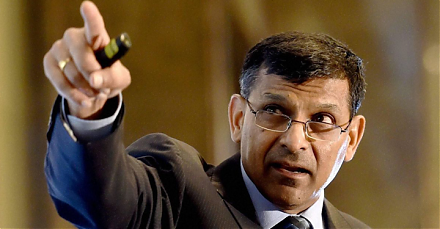
Chicago finance professor Raghuram Rajan shows that free markets need populist support against an unholy alliance of private-sector and state elites. When a
2018-11-29 11:33:00 Thursday ET
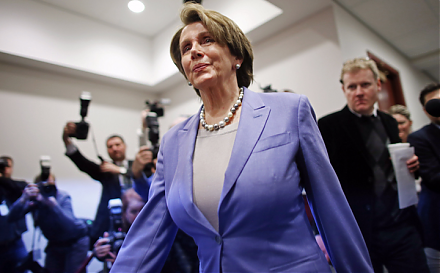
A congressional division between Democrats and Republicans can cause ripple effects on Trump economic reforms. As Democrats have successfully flipped the Ho
2018-01-19 11:32:00 Friday ET
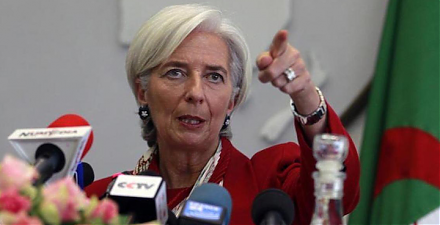
Most major economies grow with great synchronicity several years after the global financial crisis. These economies experience high stock market valuation,
2023-05-28 10:24:00 Sunday ET

Thomas Piketty connects the dots between economic growth and inequality worldwide with long-term global empirical evidence. Thomas Piketty (2017) &nbs
2019-01-04 11:41:00 Friday ET
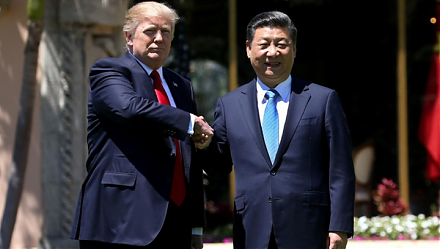
Chinese President Xi JingPing calls President Trump to reach Sino-American trade conflict resolution. Xi sends a congratulatory message to mark 40 years sin
2019-10-21 10:35:00 Monday ET

American state attorneys general begin bipartisan antitrust investigations into the market power and corporate behavior of central tech titans such as Apple