
2018-03-05 07:34:00 Mon ET
trust perseverance resilience empathy compassion passion purpose vision mission life metaphors seamless integration critical success factors personal finance entrepreneur inspiration grit
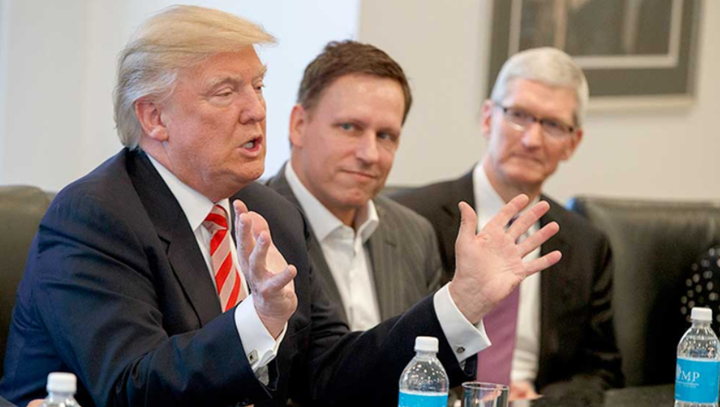
Peter Thiel shares his money views of President Trump, Facebook, Bitcoin, global finance, and trade etc. As an early technology adopter, Thiel invests in Facebook and Bitcoin. The former connects people with better social integration around the world, and the latter offers a new crypto medium of exchange for online payments. Network effects breed positive feedback loops, whereas, there is a critical inflection point where these network effects fall over into the madness of crowds. As one of the co-founders for PayPal and Palantir, Thiel thinks it is important to ensure third-party payment security for safer cross-border finance and trade.
Thiel supports President Trump because his economic policy reform helps avoid fake culture wars between different civilizations. Trump tax cuts and infrastructure expenditures help boost American household consumption, firm production, and financial intermediation. In light of antitrust investigations into Google and some other Silicon Valley tech firms, Thiel considers these firms in trouble as subsequent government regulation looms as a major business risk. As a serial entrepreneur, Thiel emphasizes the importance of ambition that transcends just making money for a company. Disruptive innovation not only replaces prior technology, but also significantly improves and enriches the economic lives of others.
If any of our AYA Analytica financial health memos (FHM), blog posts, ebooks, newsletters, and notifications etc, or any other form of online content curation, involves potential copyright concerns, please feel free to contact us at service@ayafintech.network so that we can remove relevant content in response to any such request within a reasonable time frame.
2019-08-18 11:33:00 Sunday ET
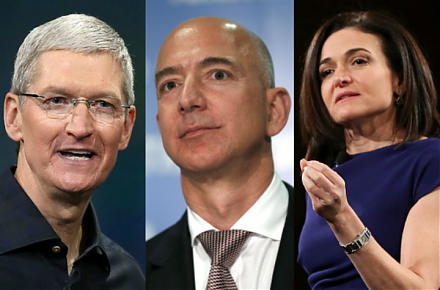
House Judiciary Committee summons senior executive reps of the tech titans to assess online platforms and their market power. These companies are Facebook,
2017-07-01 08:40:00 Saturday ET
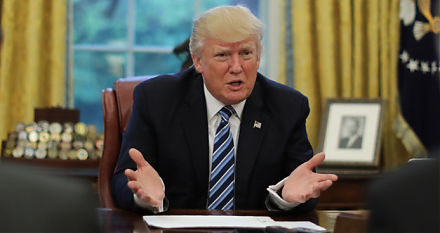
The Economist interviews President Donald Trump and spots the keyword *reciprocity* in many aspects of Trumponomics from trade and taxation to infrastructur
2020-04-24 11:33:00 Friday ET
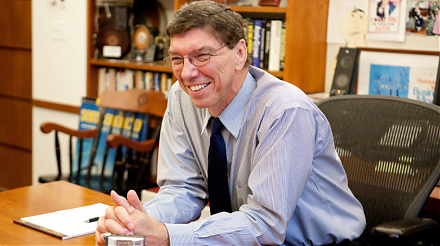
Disruptive innovations tend to contribute to business success in new blue-ocean markets after iterative continuous improvements. Clayton Christensen and
2019-04-07 13:39:00 Sunday ET

CNBC news anchor Becky Quick interviews Warren Buffett in early-2019. Buffett explains the fact that book value fluctuations are a metric that has lost rele
2025-05-29 08:25:28 Thursday ET
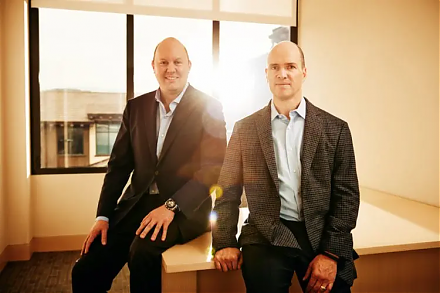
Serial venture capitalist Ben Horowitz describes many hard truths, lessons, and insights from his entrepreneurial journey of running LoudCloud from a Silico
2018-05-19 09:29:00 Saturday ET
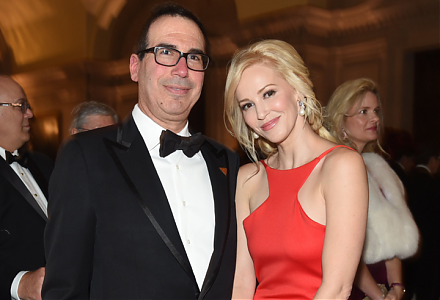
Treasury Secretary Steve Mnuchin indicates that the Trump team puts the trade war with China on hold. The interim suspension of U.S. tariffs should offer in