2017-02-13 09:35:00 Mon ET
stock market gold oil stock return s&p 500 asset market stabilization asset price fluctuations stocks bonds currencies commodities funds term spreads credit spreads fair value spreads asset investments
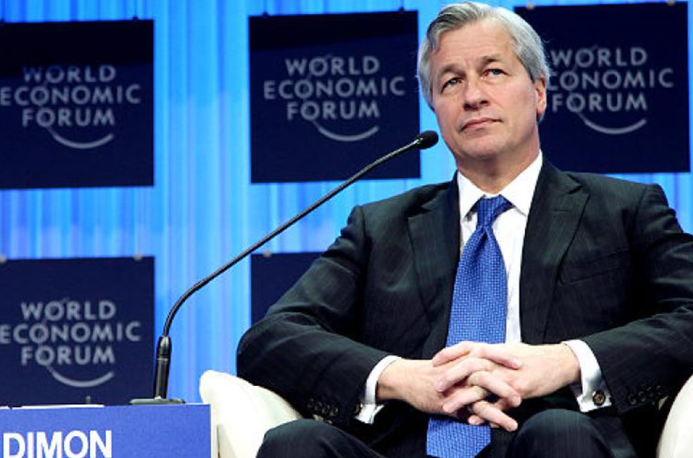
JPMorgan Chase CEO Jamie Dimon says President Trump has now awaken the *animal spirits* in the U.S. stock market.
The key phrase, animal spirits, is the term that Sir John Maynard Keynes coined in his 1936 book on the economic science, The General Theory of Employment, Interest, and Money, to describe the instincts, proclivities, and emotions that ostensibly guide human economic behaviors.
Animal spirits manifest in the form of consumer confidence, investor sentiment, and business executive optimism.
Dimon refers to the recent stock market rally as a clear indication that consumer confidence skyrockets while investor sentiment continues to be high.
Trump tax cuts, infrastructure, and deregulation can all contribute to this CEO optimism during the current interest rate hike.
The Trump stock market rally has thus far added $2 trillion to the vast majority of American stocks.
If any of our AYA Analytica financial health memos (FHM), blog posts, ebooks, newsletters, and notifications etc, or any other form of online content curation, involves potential copyright concerns, please feel free to contact us at service@ayafintech.network so that we can remove relevant content in response to any such request within a reasonable time frame.
2017-09-03 10:44:00 Sunday ET
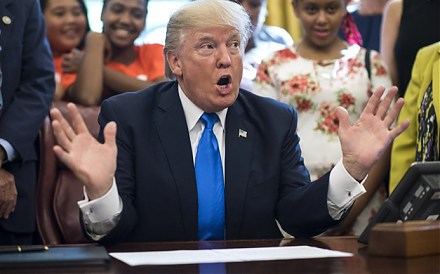
President Donald Trump has released his plan to slash income taxes for U.S. citizens and corporations. The corporate income tax rate will decline from 35% t
2023-01-03 09:34:00 Tuesday ET
USPTO fintech patent protection and accreditation As of early-January 2023, the U.S. Patent and Trademark Office (USPTO) has approved
2020-02-19 14:35:00 Wednesday ET

The U.S. bank oligarchy has become bigger, more profitable, and more resistant to public regulation after the global financial crisis. Simon Johnson and
2018-10-07 13:39:00 Sunday ET
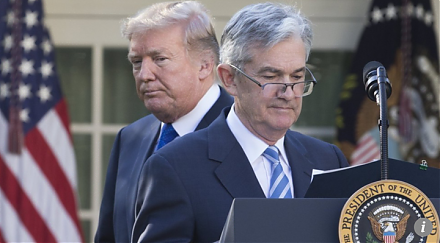
The U.S. greenback soars in value as the Federal Reserve continues its interest rate hike. With impressive service-sector data and non-farm payroll wage gro
2018-09-30 14:34:00 Sunday ET
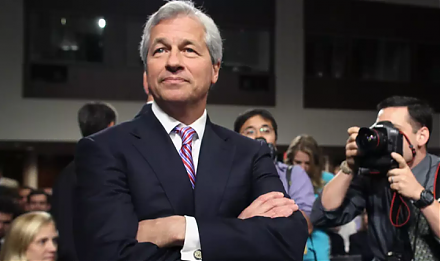
Goldman, JPMorgan, Bank of America, Credit Suisse, Morgan Stanley, and UBS face an antitrust lawsuit. In this lawsuit, a U.S. judge alleges the illegal cons
2018-12-29 09:32:00 Saturday ET

Andy Yeh Alpha (AYA) AYA Analytica financial health memo (FHM) podcast channel on YouTube December 2018 AYA Analytica is our online regular podcast and news