
2019-07-17 12:37:00 Wed ET
stock market gold oil stock return s&p 500 asset market stabilization asset price fluctuations stocks bonds currencies commodities funds term spreads credit spreads fair value spreads asset investments
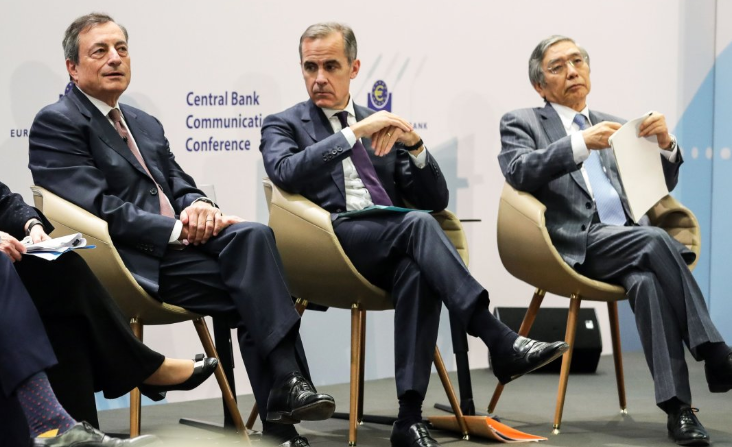
Gold prices surge above $1400 per ounce amid global trade tension and economic policy uncertainty. Both European Central Bank and Bank of Japan may consider expanding additional monetary stimulus if the global economy continues to weaken in the next few months. Greenback depreciates quite a bit as the Federal Reserve switches to a dovish tone. The current stock market investor sentiments manifest in the negative correlation between U.S. dollar strength and gold appreciation. The precious metal accrues zero interest as a steady store of value over time, and so gold prices often serve as a negative-beta countercyclical indicator of international economic stability.
Meanwhile, the Sino-U.S. trade impasse calls for both Presidents Trump and Xi to show courage with some reconciliatory gestures at the G20 summit. Also, British Labour Party may seek to back a second referendum on Brexit despite pervasive economic policy uncertainty. British Conservatives now need a new prime minister to lead the next round of E.U. withdrawal conditions, trade negotiations, and other regional economic affairs. Moreover, the recent accidental drone collision between Iran and the U.S. adds to the current global trade escalation. As a result, both gold and oil prices surge as stock market investors seek capital safety.
If any of our AYA Analytica financial health memos (FHM), blog posts, ebooks, newsletters, and notifications etc, or any other form of online content curation, involves potential copyright concerns, please feel free to contact us at service@ayafintech.network so that we can remove relevant content in response to any such request within a reasonable time frame.
2019-04-29 08:35:00 Monday ET

IMF chief economist Gita Gopinath predicts no global recession with key downside risks at this delicate moment. First, trade tensions remain one of the key
2016-11-09 00:00:00 Wednesday ET
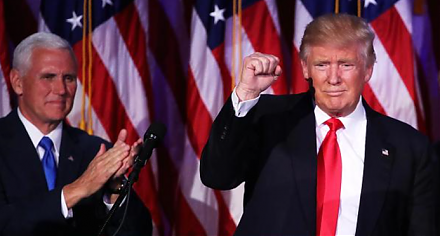
Universally dismissed as a vanity presidential candidate when he entered a field crowded with Republican talent, the former Democrat and former Independent
2019-08-07 12:33:00 Wednesday ET
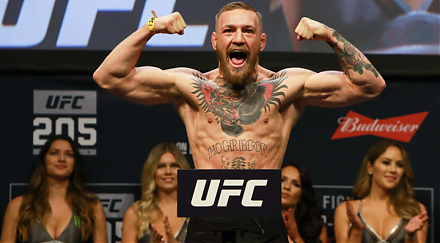
Conor McGregor learns a major money lesson from LeBron James. This lesson suggests that James spends about $1.5 million on his own body each year. The $1.5
2023-05-21 12:26:00 Sunday ET

Amy Chua and Jed Rubenfeld suggest that relatively successful ethnic groups exhibit common cultural traits in America. Amy Chua and Jed Rubenfeld (2015)
2021-07-07 05:22:00 Wednesday ET

What are the best online stock market investment tools? Stock trading has seen an explosion since the start of the pandemic. As people lost their jobs an
2026-02-02 12:30:00 Monday ET
With U.S. fintech patent approval, accreditation, and protection for 20 years, our proprietary alpha investment model outperforms most stock market indexes