
2019-09-07 17:37:00 Sat ET
federal reserve monetary policy treasury dollar employment inflation interest rate exchange rate macrofinance recession systemic risk economic growth central bank fomc greenback forward guidance euro capital global financial cycle credit cycle yield curve
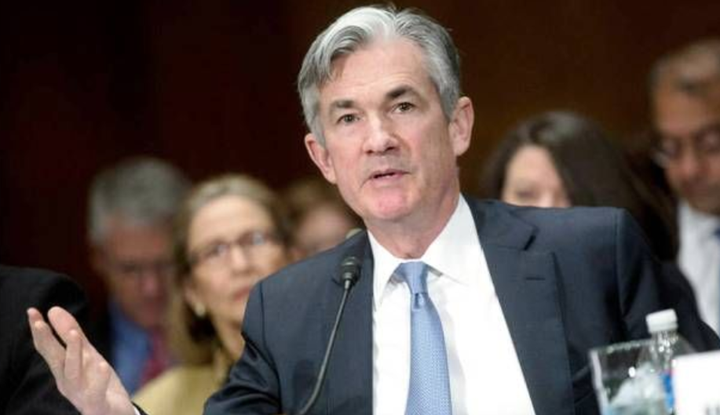
Federal Reserve Chair Jerome Powell announces the monetary policy decision to lower the federal funds rate by a quarter point to 2%-2.25%. This interest rate cut is the first rate reduction since December 2008. For most American investors, the rate cut can mean a reprieve in the average cost of capital. Powell reiterates that this interest rate reduction cannot be misconstrued as a one-time rate cut or the first in a series. Stock market analysts may view Federal Reserve monetary policy independence in a negative light as the FOMC approves the interest rate cut under pressure from a vocal president. The interest rate cut sends a shiver through global markets, and the intricate nuances of Powell language reverberate in response to persistently low inflation in America.
Powell faces direct and confrontational questions on why a rate cut is necessary when the U.S. economy remains robust with high employment. The current U.S. inflation rate hovers in the reasonable range of 1.5%-1.7% below the 2% monetary policy target, and the current U.S. unemployment rate persists at 3.7% per annum. The recent interest rate cut may inadvertently limit the Federal Reserve monetary policy adjustments in response to a future financial downturn.
If any of our AYA Analytica financial health memos (FHM), blog posts, ebooks, newsletters, and notifications etc, or any other form of online content curation, involves potential copyright concerns, please feel free to contact us at service@ayafintech.network so that we can remove relevant content in response to any such request within a reasonable time frame.
2026-10-31 12:38:00 Saturday ET

Today tech titans and billionaires continue to reshape global pharmaceutical investments for both better healthspan and longer lifespan. We discuss, desc
2019-10-11 13:40:00 Friday ET
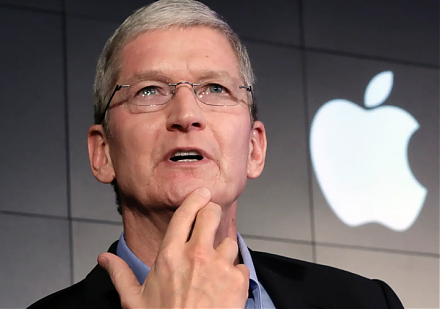
Apple CEO Tim Cook maintains a frugal low-key lifestyle. With $625 million public wealth, Cook leads the $1 trillion tech titan Apple in the post-Jobs era.
2019-01-19 12:38:00 Saturday ET
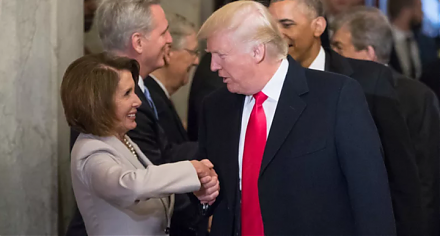
U.S. government shuts down again because House Democrats refuse to spend $5 billion on the border wall that would give President Trump great victory on his
2019-05-07 09:30:00 Tuesday ET
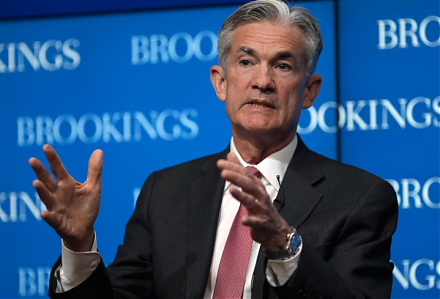
The Trump team receives a 3.2% first-quarter GDP boost as Fed Chair Jay Powell halts the next interest rate hike in early-May 2019. This smooth upward econo
2020-02-02 11:32:00 Sunday ET

Our fintech finbuzz analytic report shines fresh light on the current global economic outlook. As of Winter-Spring 2020, the analytical report delves into t
2025-06-28 10:39:00 Saturday ET
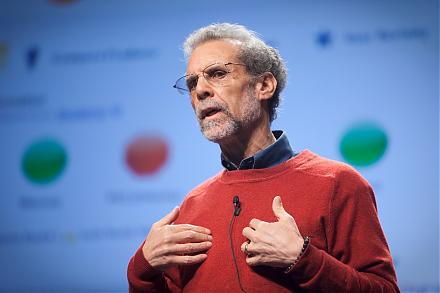
Former New York Times science author and Harvard psychologist Daniel Goleman explains why great mental focus serves as a vital mainstream driver of personal