
2019-11-09 16:38:00 Sat ET
federal reserve monetary policy treasury dollar employment inflation interest rate exchange rate macrofinance recession systemic risk economic growth central bank fomc greenback forward guidance euro capital global financial cycle credit cycle yield curve
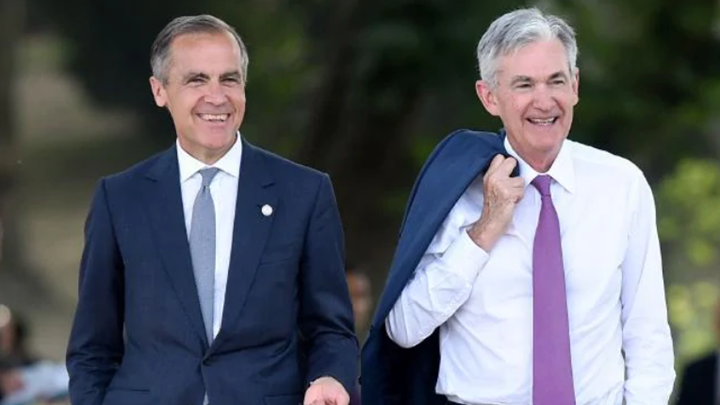
Federal Reserve Chairman Jerome Powell indicates that the central bank would resume Treasury purchases to avoid turmoil in money markets. Powell indicates that this effort can help sustain the current economic expansion without any form of prior quantitative easing (QE) asset purchase programs. As the Federal Reserve may start expanding its balance sheet again, stock investors must not misconstrue this decision as a tactical return to QE asset purchase programs in the post-crisis economic revival. This operation helps the Federal Reserve counterbalance some major economic headwinds such as domestic liquidity constraints and greenback fluctuations.
Powell indicates the generic inclination of FOMC members toward further reducing the interest rate in November-December 2019. Several stock market analysts and economic media commentators contend that the recent Powell remarks seem to accommodate both geopolitical risks and economic woes in response to a vocal president. In this light, many stock market analysts convey the grave concern that the Federal Reserve may have fewer policy instruments left for the next economic recession as the central bank continues to trade off monetary policy independence with political demand. After all, there are no good reasons for the sudden recent reversal of monetary policy normalization.
If any of our AYA Analytica financial health memos (FHM), blog posts, ebooks, newsletters, and notifications etc, or any other form of online content curation, involves potential copyright concerns, please feel free to contact us at service@ayafintech.network so that we can remove relevant content in response to any such request within a reasonable time frame.
2024-03-26 09:30:00 Tuesday ET
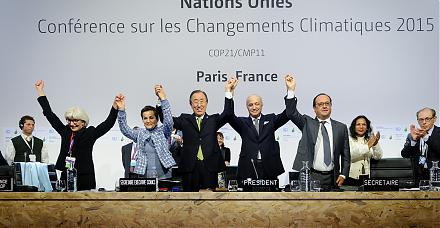
Stock Synopsis: ESG value and momentum stock market portfolio strategies Since 2013, we have been delving into the broad topics of ESG (Environmental, So
2019-07-11 10:48:00 Thursday ET

France and Germany are the biggest beneficiaries of Sino-U.S. trade escalation, whereas, Japan, South Korea, and Taiwan suffer from the current trade stando
2017-11-27 07:39:00 Monday ET

Is it anti-competitive and illegal for passive indexers and mutual funds to place large stock bets in specific industries with high market concentration? Ha
2024-10-14 11:33:00 Monday ET

Stock Synopsis: Video games continue to take both screen time and monetization from many other forms of entertainment. We are broadly positive about the
2018-03-25 08:39:00 Sunday ET
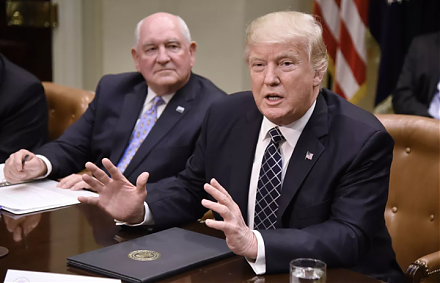
President Trump imposes punitive tariffs on $60 billion Chinese imports in a brand-new trade war as China hits back with retaliatory tariffs on $3 billion U
2018-10-21 14:40:00 Sunday ET
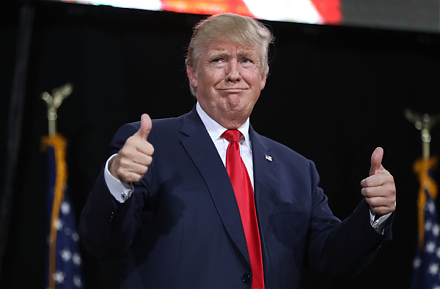
President Trump floats generous 10% tax cuts for the U.S. middle class ahead of the November 2018 mid-term elections. Republican senators, congressmen, and