
2019-08-12 07:30:00 Mon ET
technology antitrust competition bilateral trade free trade fair trade trade agreement trade surplus trade deficit multilateralism neoliberalism world trade organization regulation public utility current account compliance
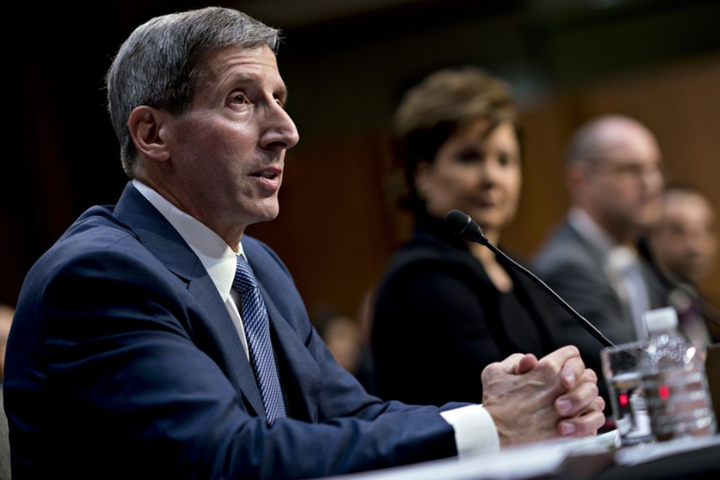
Facebook reaches a $5 billion settlement with the Federal Trade Commission over Cambridge Analytica user privacy violations. The Federal Trade Commission (FTC) probes into prevalent user privacy practices across the social media ecosystem of Facebook, Messenger, Instagram, and WhatsApp etc. FTC commissioners break along party lines, 3-to-2, as the GOP majority votes line up to support the $5 billion settlement (whereas Democratic commissioners object this pact). This punitive fine is the single largest one against a tech titan by FTC to date, but some progressive lawmakers remain furious primarily due to the key controversial inadequacy of FTC curtailing future data leaks and breaches of the same sort of Cambridge Analytica.
The Cambridge Analytica data debacle may have compromised the personal data for about 87 million Facebook users. FTC requires Facebook to establish a new independent Privacy Committee of directors on the current corporate board. This committee would oversee all necessary audit functions to ensure strict compliance with key FTC consumer privacy rules and best practices. With 53% majority control rights, Facebook CEO Mark Zuckerberg may inadvertently be able to influence the nomination and appointment of independent directors on the Privacy Committee. This core settlement can cause ripple effects on the broader corporate governance structure.
If any of our AYA Analytica financial health memos (FHM), blog posts, ebooks, newsletters, and notifications etc, or any other form of online content curation, involves potential copyright concerns, please feel free to contact us at service@ayafintech.network so that we can remove relevant content in response to any such request within a reasonable time frame.
2023-06-21 12:32:00 Wednesday ET

Michael Sandel analyzes what money cannot buy in stark contrast to the free market ideology of capitalism. Michael Sandel (2013) What money
2019-08-10 21:44:00 Saturday ET
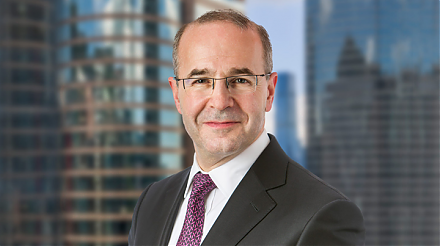
McKinsey Global Institute analyzes 315 U.S. cities and 3,000 counties in terms of how tech automation affects their workers in the next 5 to 10 years. This
2018-11-15 12:35:00 Thursday ET
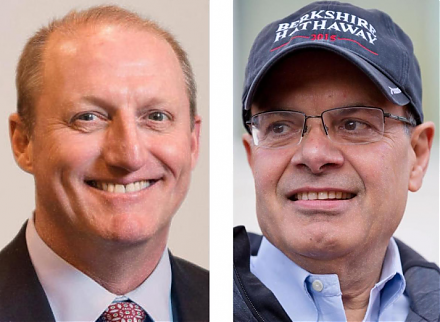
Warren Buffett approves Berkshire Hathaway to implement new meaningful stock repurchases. Buffett sends a positive signal to the stock market with the Berks
2018-05-05 07:33:00 Saturday ET
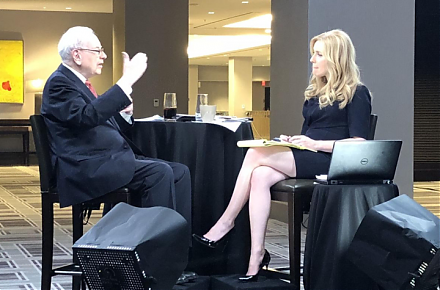
Warren Buffett shares his fresh economic insights and value investment strategies at the Berkshire Hathaway shareholder forum in May 2018 despite the new GA
2018-04-02 07:33:00 Monday ET
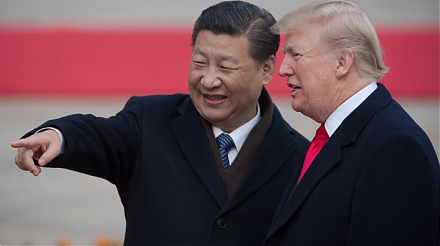
China President Xi JinPing tries to ease trade tension between America and China in his presidential address at the annual Boao forum. In his vulnerable att
2018-02-07 06:38:00 Wednesday ET
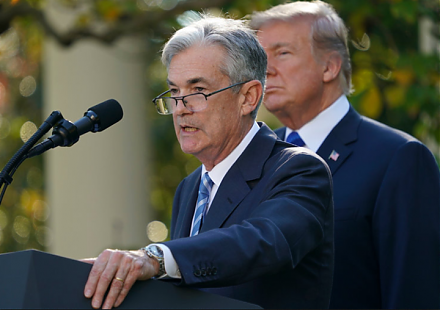
The new Fed chairman Jerome Powell faces a new challenge in the form of both core CPI and CPI inflation rate hikes toward 1.8%-2.1% year-over-year with stro