
2019-07-21 09:37:00 Sun ET
stock market competition macrofinance stock return s&p 500 financial crisis financial deregulation bank oligarchy systemic risk asset market stabilization asset price fluctuations regulation capital financial stability dodd-frank

Facebook introduces a new cryptocurrency Libra as a fresh medium of exchange for e-commerce. Libra will be available to all the 2 billion active users on Facebook, Messenger, Instagram, and WhatsApp. This new cryptocurrency has tremendous potential to change how people save, spend, and send money. As a new medium of exchange, Libra helps facilitate key e-commerce auctions and other transactions within the core Facebook social network ecosystem. As a new store of value, Libra exhibits less extreme price volatility than several other cryptocurrencies such as Bitcoin and Ethereum.
Facebook launches the digital wallet company Calibra as a key third-party payment gateway in collaboration with PayPal, Stripe, Visa, MasterCard, American Express, eBay, Spotify, Uber, and Lyft etc. At inception, Calibra records all the Libra digital transactions on a public blockchain. This blockchain can serve as a tamper-proof ledger that runs across multiple computer servers to preserve consumer privacy. When cryptocurrencies become more popular, money supply growth may decline to the extent that the central bank can better curb price inflation and wage growth in a cashless society.
In terms of macroeconomic implications, the central bank and fiscal authority can better manage the trade-offs among price stability, economic growth, employment, capital accumulation, and financial market stabilization.
If any of our AYA Analytica financial health memos (FHM), blog posts, ebooks, newsletters, and notifications etc, or any other form of online content curation, involves potential copyright concerns, please feel free to contact us at service@ayafintech.network so that we can remove relevant content in response to any such request within a reasonable time frame.
2018-12-19 17:41:00 Wednesday ET
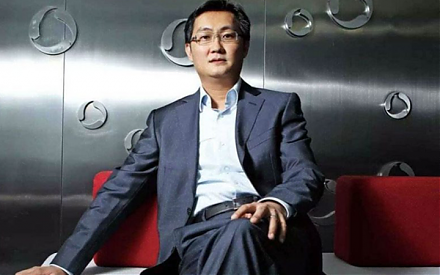
Tencent Music Entertainment debuts its IPO on NYSE to strike a chord with stock market investors. Tencent Music goes public and marks the biggest IPO by a m
2018-05-15 08:40:00 Tuesday ET
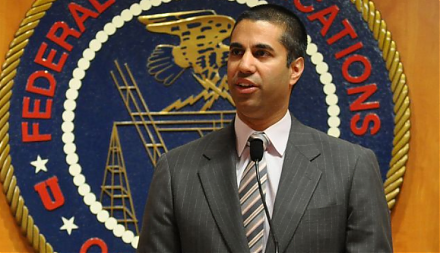
Net neutrality rules continue to revolve around the Trump administration's current IT agenda of 5G telecom transformation. Republican Senate passes the
2017-08-13 09:36:00 Sunday ET
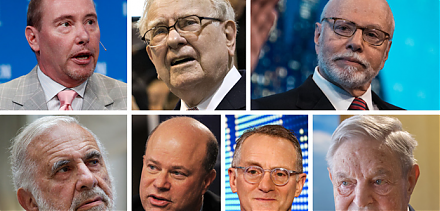
Several investors and billionaires such as George Soros, Warren Buffett, Carl Icahn, and Howard Marks suggest that the time may be ripe for a major financia
2019-08-07 08:32:00 Wednesday ET
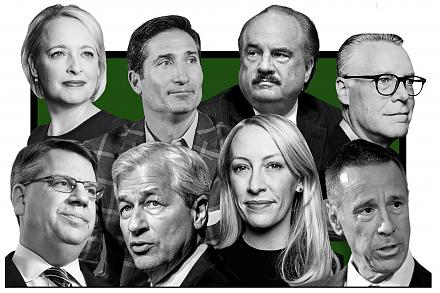
Our fintech finbuzz analytic report shines fresh light on the current global economic outlook. As of Summer-Fall 2019, the current analytic report focuses o
2019-02-11 09:37:00 Monday ET
Corporate America uses Trump tax cuts and offshore cash stockpiles primarily to fund share repurchases for better stock market valuation. Share repurchases
2020-06-10 10:35:00 Wednesday ET
Most lean enterprises should facilitate the dual transformation of both core assets with fresh cash flows and new growth options. Scott Anthony, Clark Gi