
2018-09-05 08:34:00 Wed ET
stock market gold oil stock return s&p 500 asset market stabilization asset price fluctuations stocks bonds currencies commodities funds term spreads credit spreads fair value spreads asset investments
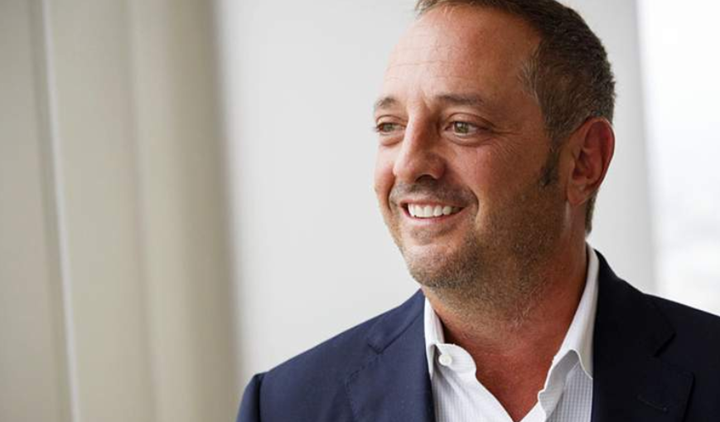
Citron Research short-sellers initiate a class-action lawsuit against Tesla and its executive chairman Elon Musk because he might have deliberately orchestrated taking Tesla private to burn investors. This lawsuit alleges that Musk might have inadvertently engaged in stock price manipulation via his premature tweet. Musk may prefer Tesla to go private such that he can steer business decisions without worrying about near-term share price gyrations.
However, taking Tesla private entails large lump-sums of equity funds from outside venture capitalists. This lawsuit sheds skeptical light on whether Musk's premature tweet on funding Tesla to go private should be subject to S.E.C. regulatory scrutiny.
Short-sellers serve as an effective alternative corporate governance mechanism that helps discipline corporate management in major business decisions. Not only do short-sellers pose a major effective threat to incumbent entrenchment and rent protection, but they can also improve stock price efficiency and information content. Short-sellers short shares at artificially high prices, wait a while for negative news about the company, and then buy back these shares at lower prices to earn short-term gains.
The Citron lawsuit against Tesla and Elon Musk represents a classic example of fraudulent stock price manipulation that proves to be detrimental to short-sellers.
If any of our AYA Analytica financial health memos (FHM), blog posts, ebooks, newsletters, and notifications etc, or any other form of online content curation, involves potential copyright concerns, please feel free to contact us at service@ayafintech.network so that we can remove relevant content in response to any such request within a reasonable time frame.
2017-04-01 06:40:00 Saturday ET
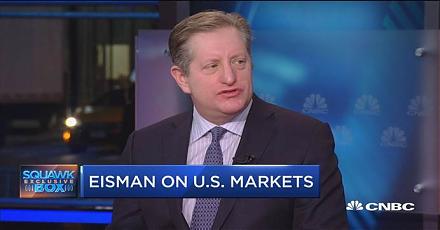
With the current interest rate hike, large banks and insurance companies are likely to benefit from higher equity risk premiums and interest rate spreads.
2017-12-14 12:41:00 Thursday ET
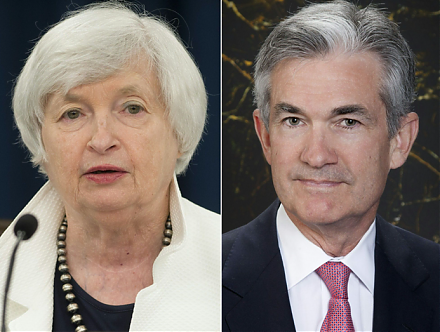
Federal Reserve raises the interest rate by 25 basis points to the target range of 1.25% to 1.5% as FOMC members revise up their GDP estimate from 2% to 2.5
2023-08-07 12:29:00 Monday ET
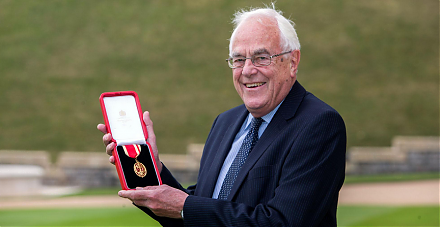
Oxford macro professor Stephen Nickell and his co-authors delve into the trade-off between inflation and unemployment in the dual mandate of price stability
2018-11-21 11:36:00 Wednesday ET
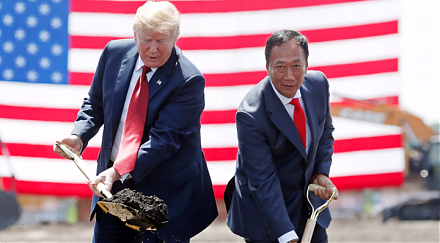
Apple upstream suppliers from Foxconn and Pegatron to Radiance and Lumentum experience sharp share price declines during the Christmas 2017 holiday quarter.
2018-05-03 07:34:00 Thursday ET
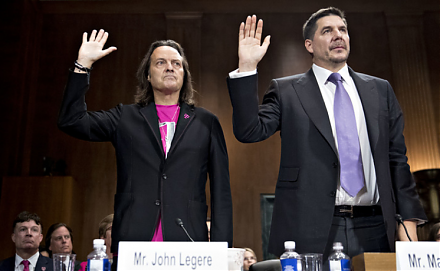
Sprint and T-Mobile propose a major merger in order to better compete with AT&T and Verizon. This mega merger is worth $26.5 billion and involves an all
2018-03-27 07:33:00 Tuesday ET
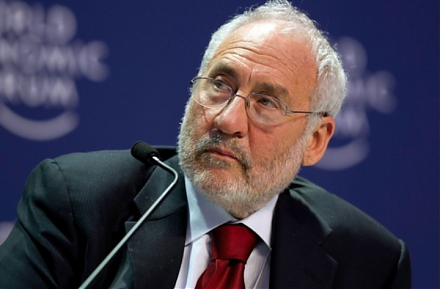
CNBC's business anchorwoman Becky Quick interviews Nobel Laureate Joseph Stiglitz on the current trade war between America and China. As America imposes