
2019-05-01 09:27:00 Wed ET
technology antitrust patent competition bilateral trade free trade fair trade trade agreement trade surplus trade deficit multilateralism neoliberalism world trade organization regulation public utility current account compliance
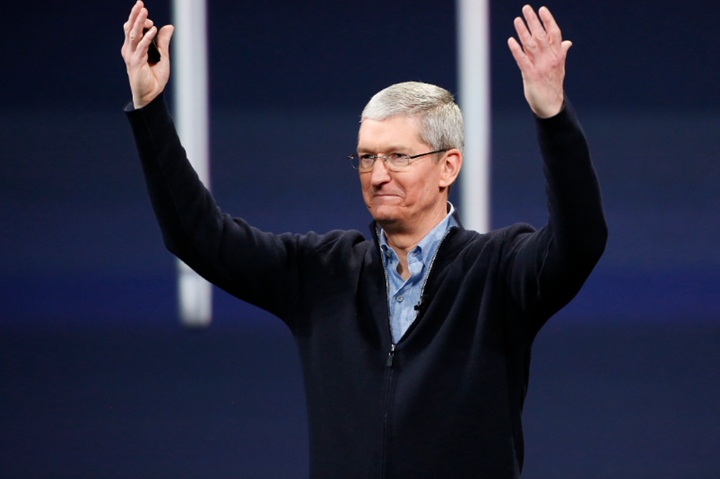
Apple settles its 2-year intellectual property lawsuit with Qualcomm by agreeing to a multi-year patent license with royalty payments to the microchip maker. As part of this settlement, Apple and Qualcomm need to forego all legal actions worldwide, and the former continues to buy microchips from the latter. With a $2 increase in its latest EPS in early-2019, Qualcomm experiences a 23% share price boost well above $65, and its market capitalization surges by $14.5 billion to more than $83 billion. Qualcomm thus enjoys its best share price performance since 1999. In stark contrast, Apple faces a 3% share price decline, and also the Qualcomm microchip archrival Intel experiences a moderate share price dip.
During the fiscal year from 2018 to early-2019, Apple employs Intel microchips for the iPhone XS and XR production. Apple needs to surpass this strenuous patent settlement with Qualcomm to focus on 5G networks and revolutionary iPhone and iPad functions. With vital access to Intel and Qualcomm microchips, Apple designs 5G iPhones sooner than the late-2020 release date that numerous stock analysts anticipate. The surprise lawsuit settlement represents a *pyrrhic victory* for Apple as Qualcomm inflicts a hard toll on the smartphone bellwether.
If any of our AYA Analytica financial health memos (FHM), blog posts, ebooks, newsletters, and notifications etc, or any other form of online content curation, involves potential copyright concerns, please feel free to contact us at service@ayafintech.network so that we can remove relevant content in response to any such request within a reasonable time frame.
2018-09-27 11:41:00 Thursday ET

Michael Kors pays $2.3 billion to acquire the Italian elite fashion brand Versace. In accordance with Michael Kors's 5-year plan, the joint company grow
2023-10-21 11:32:00 Saturday ET

Walter Scheidel indicates that persistent European fragmentation after the collapse of the Roman Empire leads to modern economic growth and development.
2025-07-05 11:23:00 Saturday ET

Former New York Times science author and Harvard psychologist Daniel Goleman explains why working with emotional intelligence helps hone our social skills f
2027-10-31 00:00:00 Sunday ET
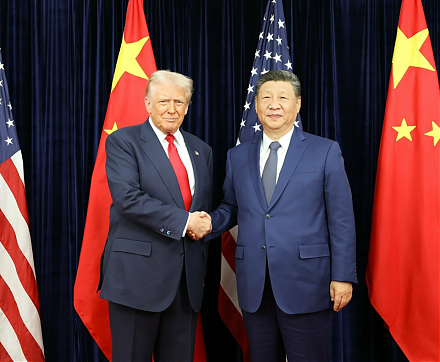
In the technological race between the U.S. and China, America leads in some strategic sectors from AI large language models (LLM), graphics processing units
2021-07-07 05:22:00 Wednesday ET

What are the best online stock market investment tools? Stock trading has seen an explosion since the start of the pandemic. As people lost their jobs an
2018-10-23 12:36:00 Tuesday ET
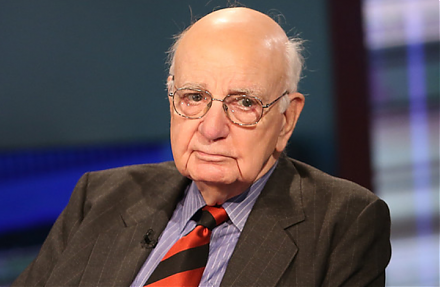
Former Fed Chair Paul Volcker releases his memoir, talks about American public governance, and worries about plutocracy in America. Volcker suggests that pu