
2019-10-11 13:40:00 Fri ET
trust perseverance resilience empathy compassion passion purpose vision mission life metaphors seamless integration critical success factors personal finance entrepreneur inspiration grit
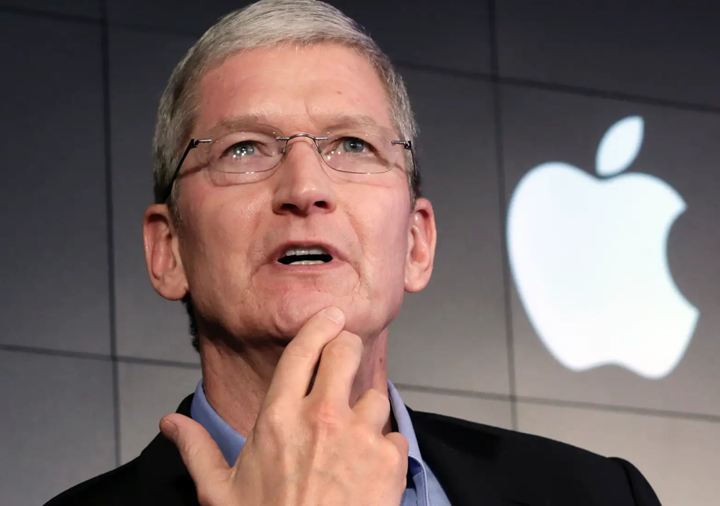
Apple CEO Tim Cook maintains a frugal low-key lifestyle. With $625 million public wealth, Cook leads the $1 trillion tech titan Apple in the post-Jobs era. As a native Alabaman son of a shipyard worker and a pharmacy employee, nonetheless, Cook keeps his low-key life habits and hobbies. His public personal wealth comes from $622 million Apple shares and $3 million stock options in Nike (as Cook now serves on its board of directors). Like his predecessor Steve Jobs and other tech founders from Jeff Bezos and Bill Gates to Larry Page and Mark Zuckerberg, Cook focuses his attention and energy on technological advancement and legacy innovation.
Cook leads a frugal solitary life, buys clothes-and-shoes at the Nordstrom semi-annual sale, and lives in a relatively modest $1.9 million home in Palo Alto (in stark contrast to the median home price of $3.5+ million in the San Francisco Bay Area). Money cannot motivate Tim Cook because he spends most time trying to find the next disruptive innovation that revolutionizes the market for smart mobile devices. Cook serves as a wise tech trailblazer in product diversification as he pioneers the post-Jobs trifecta of iPhone Xs, iPhone Xs Max, and iPhone XR.
If any of our AYA Analytica financial health memos (FHM), blog posts, ebooks, newsletters, and notifications etc, or any other form of online content curation, involves potential copyright concerns, please feel free to contact us at service@ayafintech.network so that we can remove relevant content in response to any such request within a reasonable time frame.
2019-05-15 12:32:00 Wednesday ET

The May administration needs to seek a fresh fallback option for Halloween Brexit. After the House of Commons rejects Brexit proposals from the May administ
2017-09-13 10:35:00 Wednesday ET
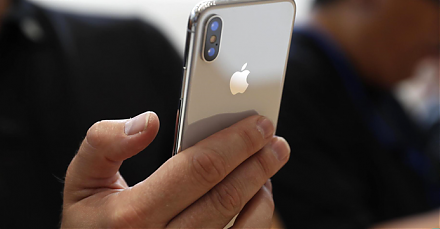
CNBC reports the Top 5 features of Apple's iPhone X. This new product release can be the rising tide that lifts all boats in Apple's upstream value
2018-09-30 14:34:00 Sunday ET
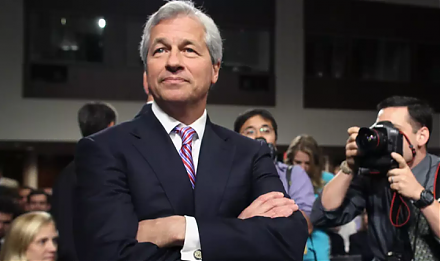
Goldman, JPMorgan, Bank of America, Credit Suisse, Morgan Stanley, and UBS face an antitrust lawsuit. In this lawsuit, a U.S. judge alleges the illegal cons
2018-03-11 08:27:00 Sunday ET
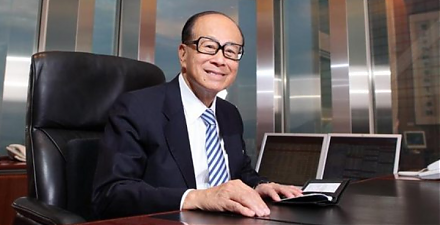
At 89 years old, Hong Kong billionaire Li Ka-Shing announces his retirement in March 2018. With a personal net worth of $35 billion, Li has an incredible ra
2019-06-29 17:30:00 Saturday ET
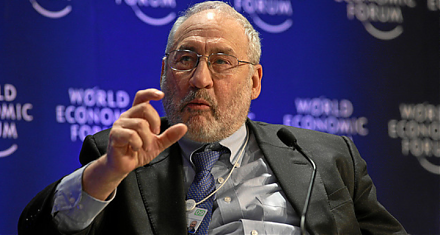
Nobel Laureate Joseph Stiglitz proposes the primary economic priorities in lieu of neoliberalism. Neoliberalism includes lower taxation, deregulation, socia
2023-01-09 10:31:00 Monday ET
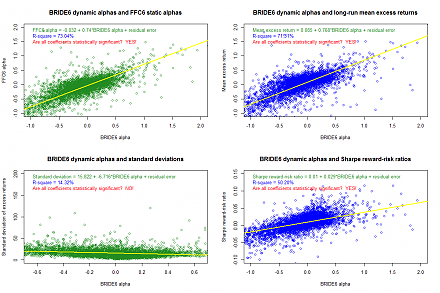
Response to USPTO fintech patent protection As of early-January 2023, the U.S. Patent and Trademark Office (USPTO) has approved our U.S. utility patent