
2018-06-25 12:43:00 Mon ET
technology antitrust competition bilateral trade free trade fair trade trade agreement trade surplus trade deficit multilateralism neoliberalism world trade organization regulation public utility current account compliance
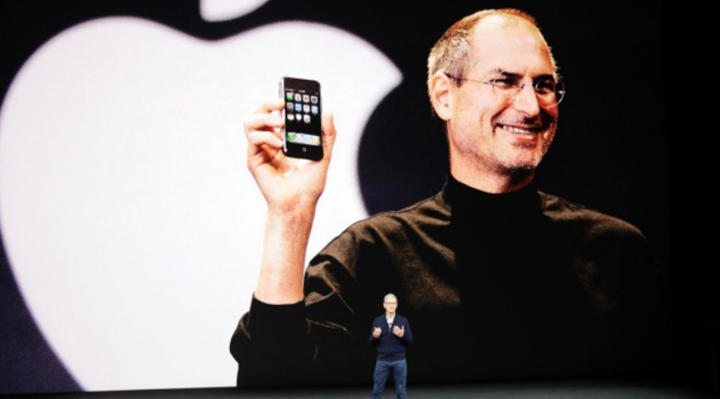
Apple and Samsung are the archrivals for the title of the world's top smart phone maker. The recent patent lawsuit settlement between Apple and Samsung shows that the dollar sums are unlikely to significantly shrink either's bottom line. However, the case has caused a major impact on U.S. patent law. Both companies continue to impress smartphone consumers with AMOLED curvy touch screens, wireless charging capacities, facial recognition functions, and other high-tech features.
After a loss at trial, Samsung appealed to the U.S. Supreme Court. In December 2016, the court sided unanimously with Samsung's argument that a patent violator should not have to hand over the entire profit made from stolen design features if these features covered only specific portions of a smart product but not the entire object. When the case went back to the lower court for trial earlier in 2018, however, the jury sided with Apple's argument that Samsung's profits were wholly due to the design elements that directly violated Apple's prior patents. Because of the recent verdict, the legal settlement called for Samsung to make an additional $140 million payment to Apple on top of the prior $399 million payment that Samsung previously paid to Apple to compensate for iPhone-driven patent infringement.
The recent verdict marks the end of the 7-year-long patent dispute between Apple and Samsung. Due to hefty legal fees, neither side is a clear victor throughout the arduous battle.
If any of our AYA Analytica financial health memos (FHM), blog posts, ebooks, newsletters, and notifications etc, or any other form of online content curation, involves potential copyright concerns, please feel free to contact us at service@ayafintech.network so that we can remove relevant content in response to any such request within a reasonable time frame.
2025-09-21 12:32:00 Sunday ET
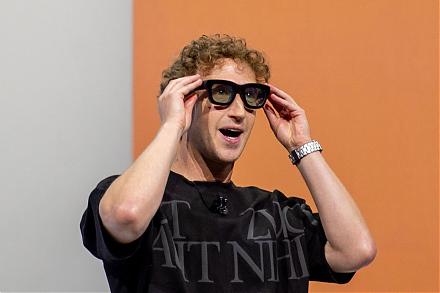
Stock Synopsis: With a new Python program, we use, adapt, apply, and leverage each of the mainstream Gemini Gen AI models to conduct this comprehensive fund
2018-03-03 11:37:00 Saturday ET
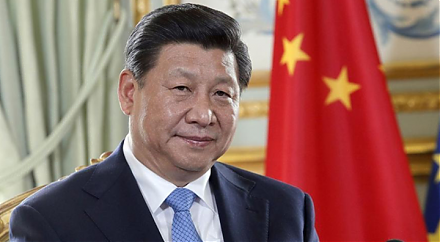
President Xi seeks Chinese congressional approval and constitutional amendment for abolishing his term limits of strongman rule with more favorable trade de
2020-02-12 09:31:00 Wednesday ET
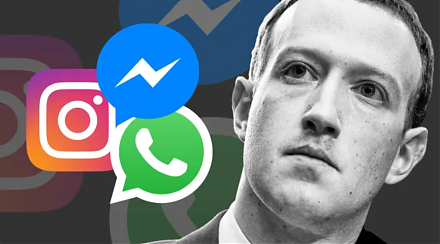
Mark Zuckerberg develops Facebook as a social network platform to help empower global connections among family and friends. David Kirkpatrick (2011) T
2022-11-15 10:30:00 Tuesday ET

Stock market misvaluation and corporate investment payout The behavioral catering theory suggests that stock market misvaluation can have a first-order
2019-11-06 12:29:00 Wednesday ET
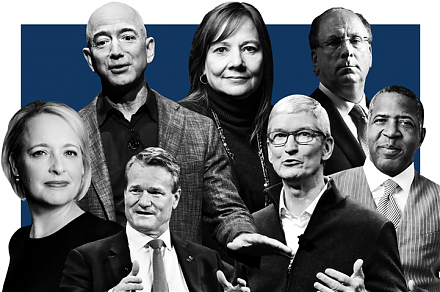
Our fintech finbuzz analytic report shines fresh light on the fundamental prospects of U.S. tech titans Facebook, Apple, Microsoft, Google, and Amazon (F.A.
2021-11-22 11:29:00 Monday ET
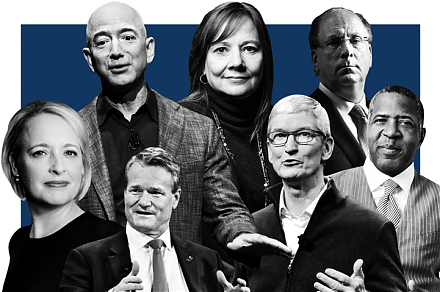
U.S. judiciary subcommittee delves into the market dominance of online platforms in terms of the antitrust, commercial, and administrative law in America.